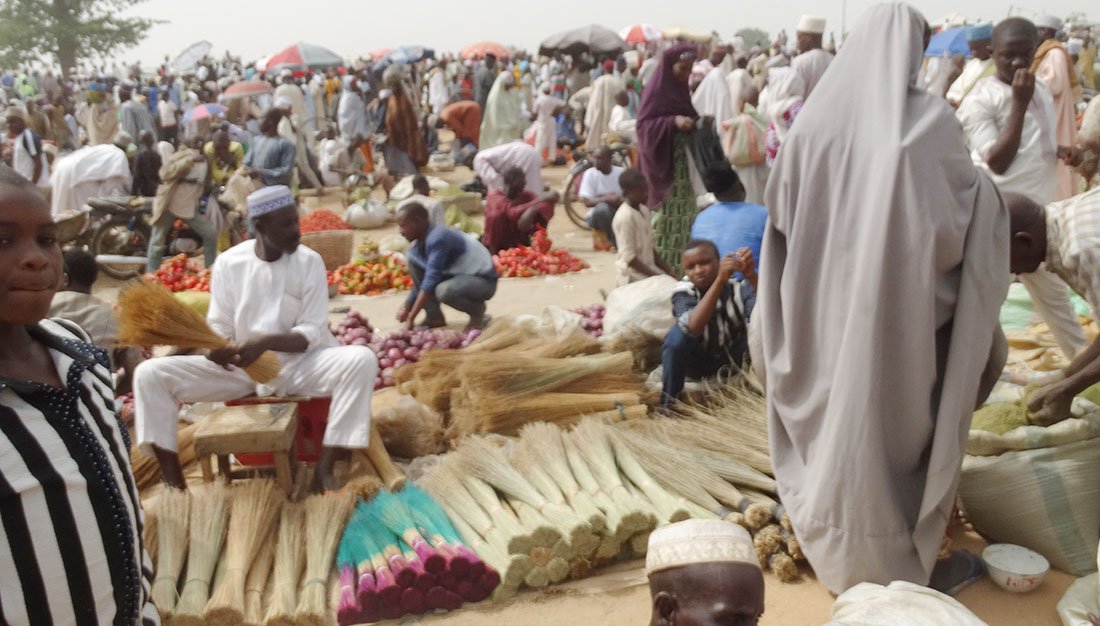
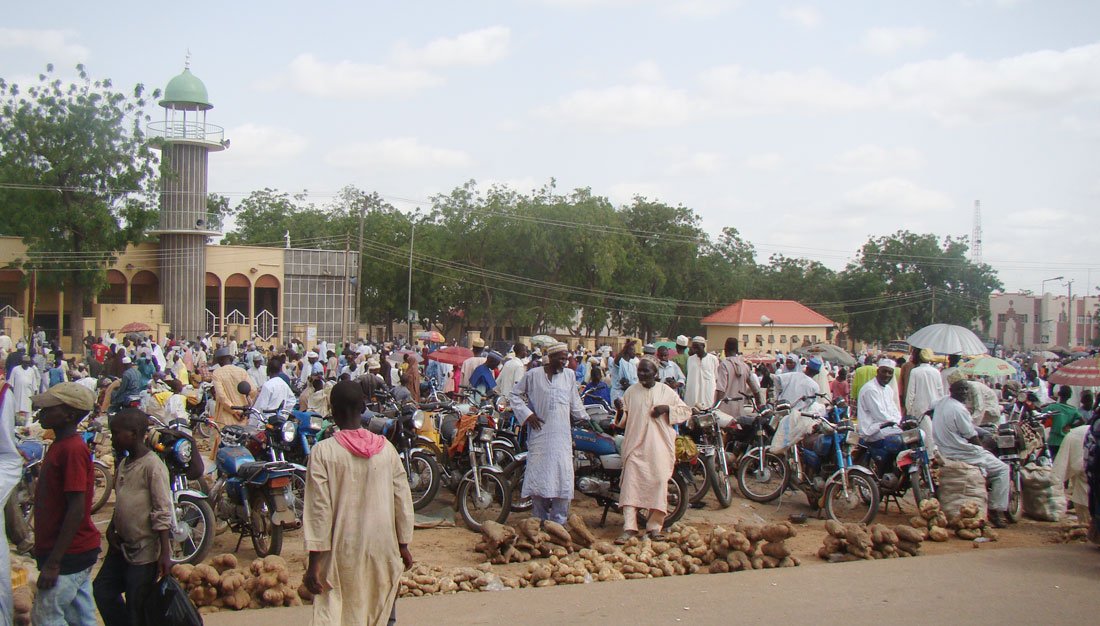
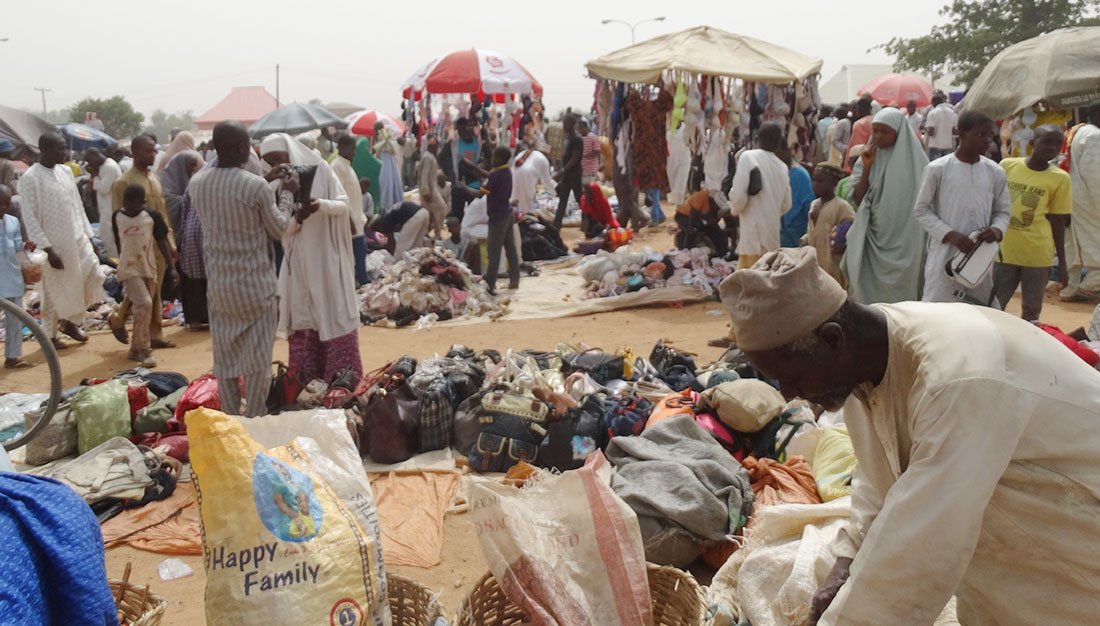
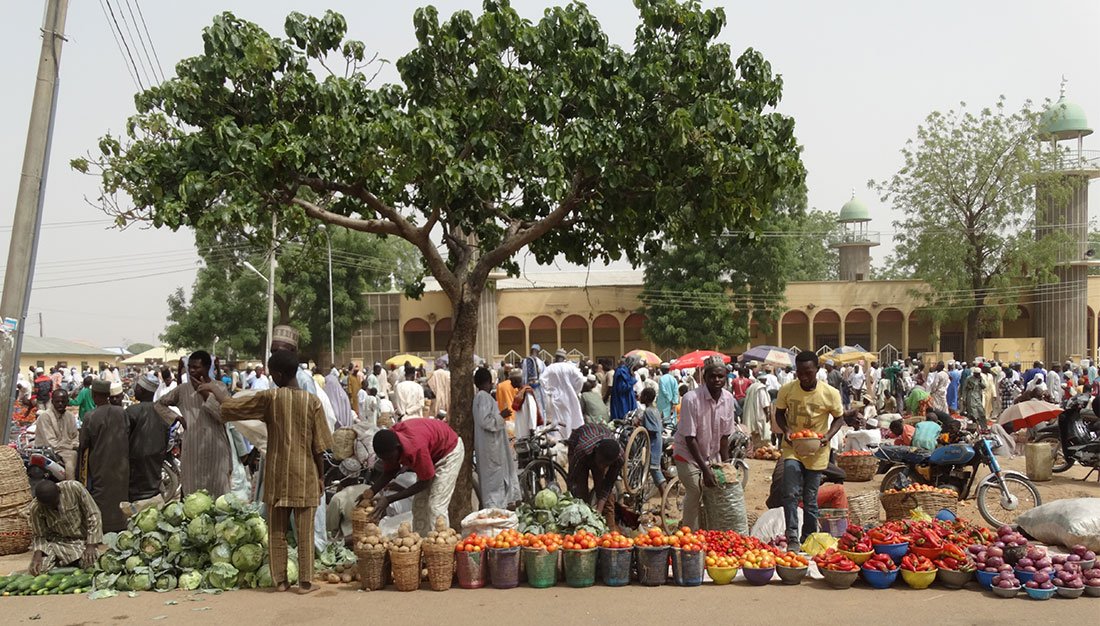
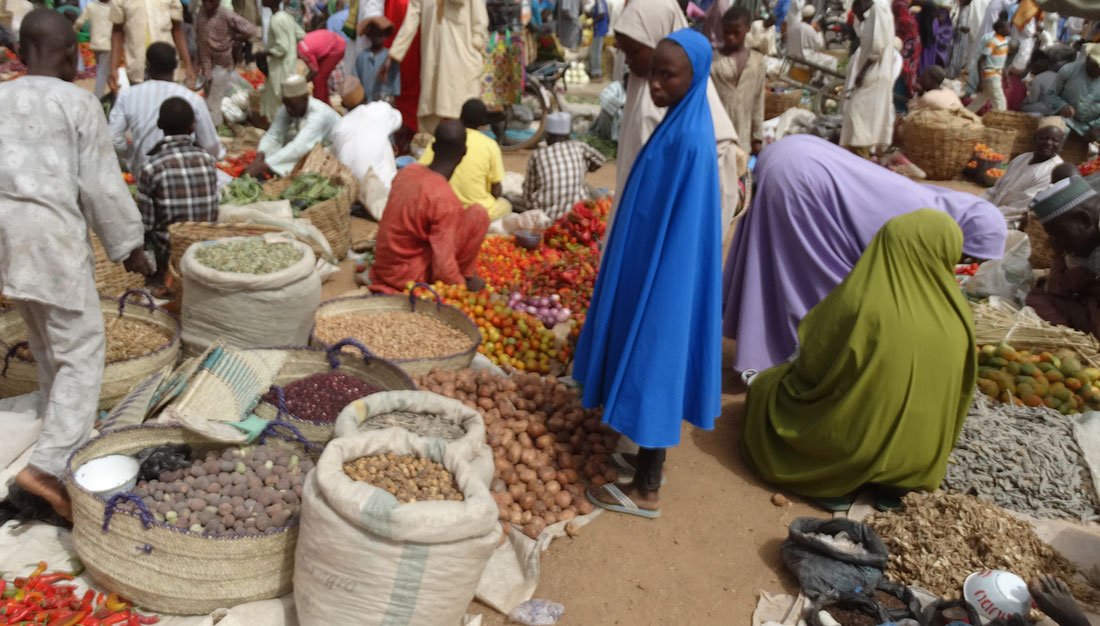
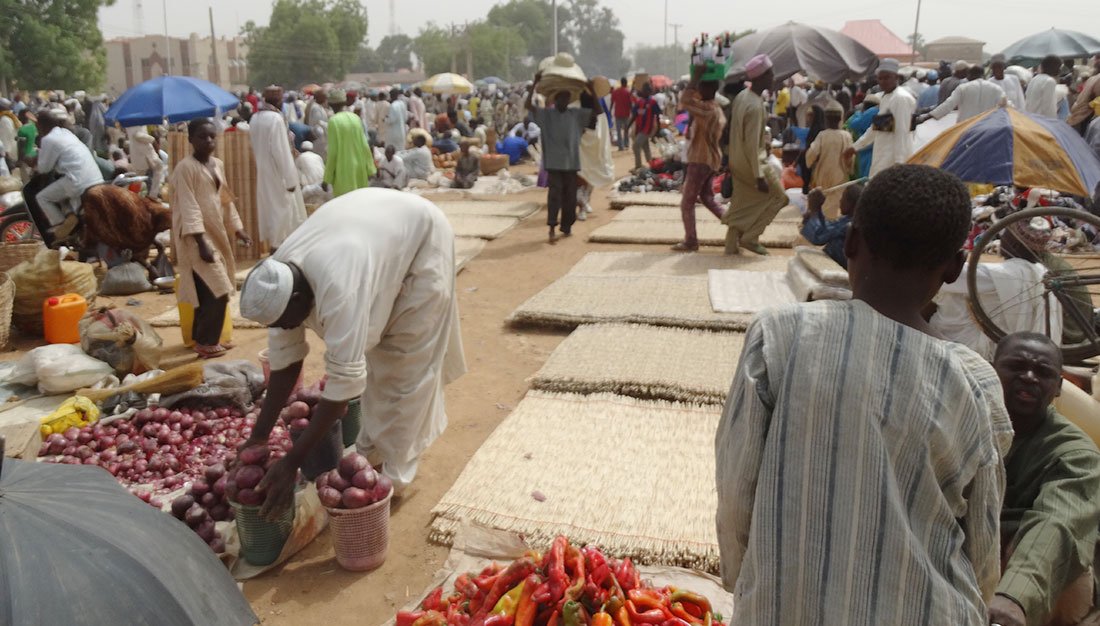
ZARIA MARKET (KASUWAN ZARIA).
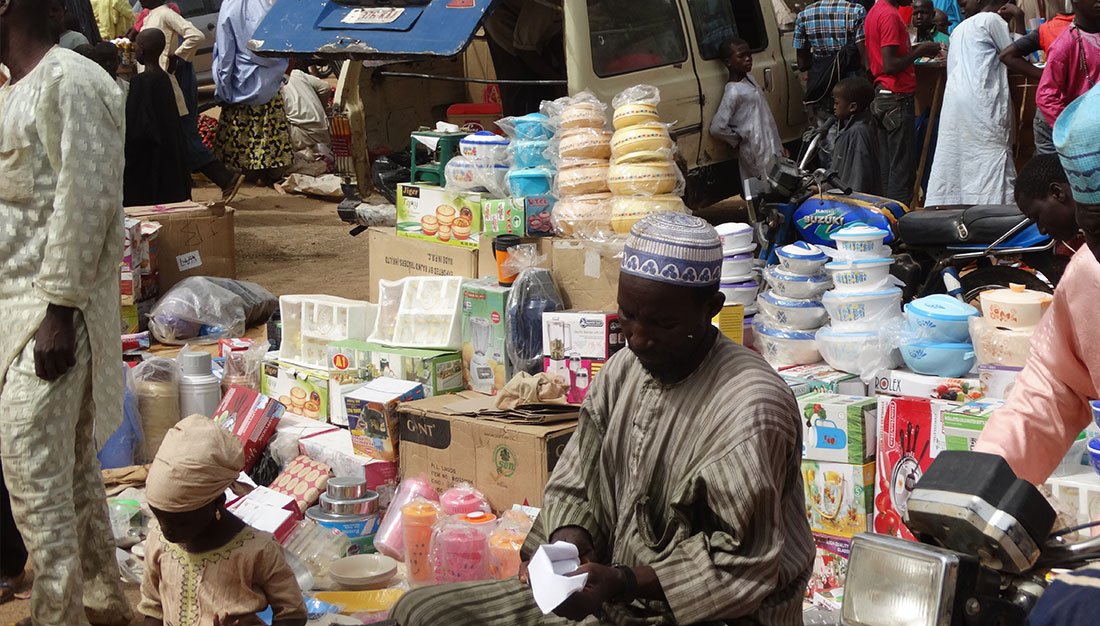
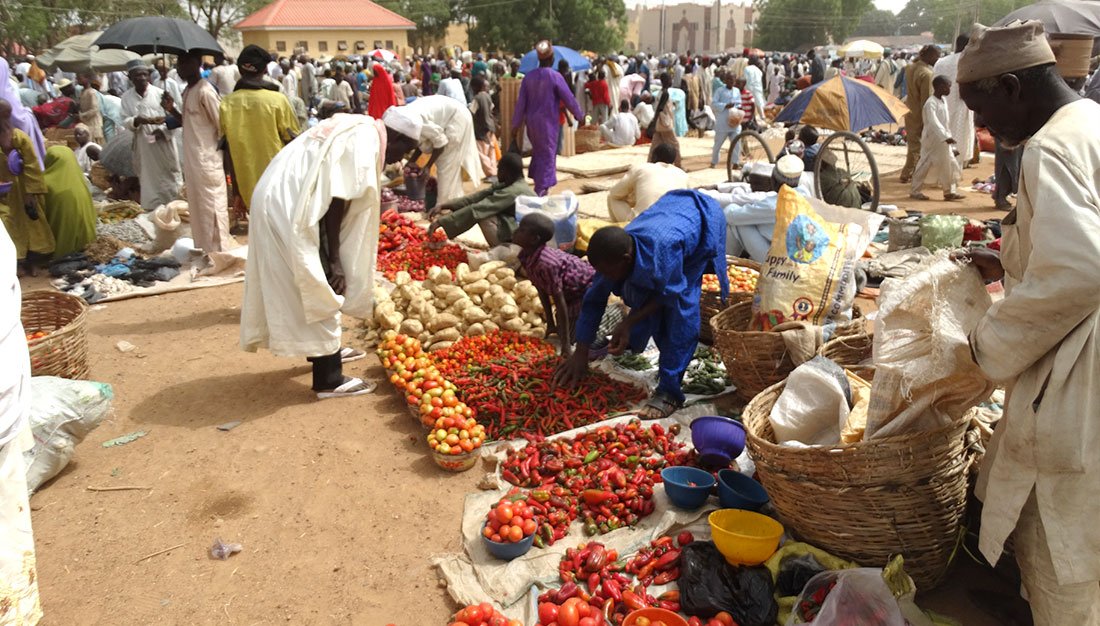
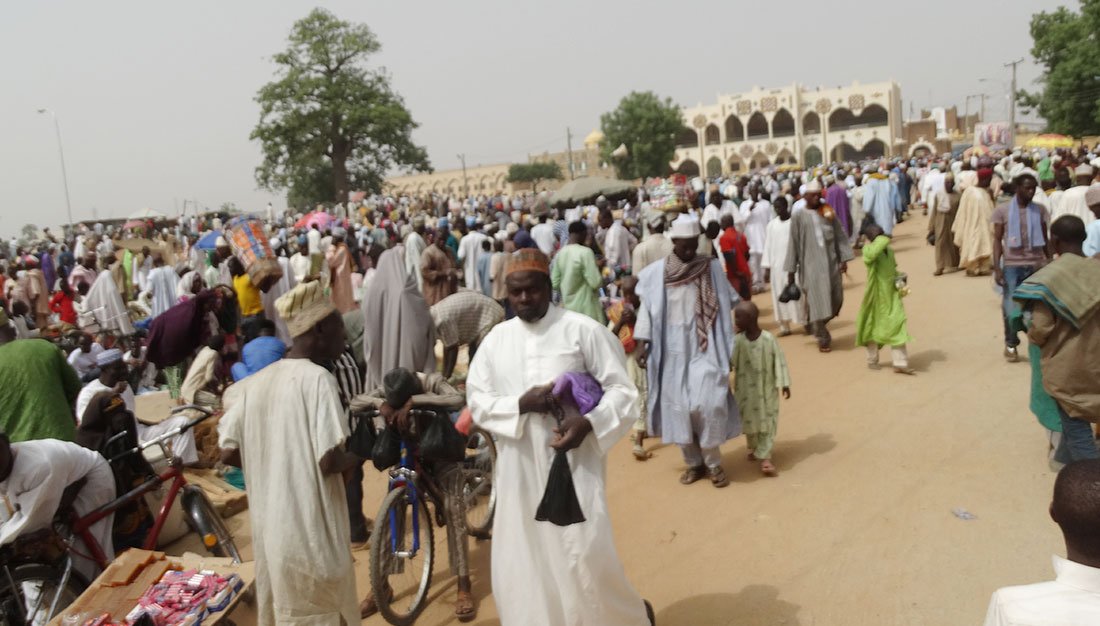
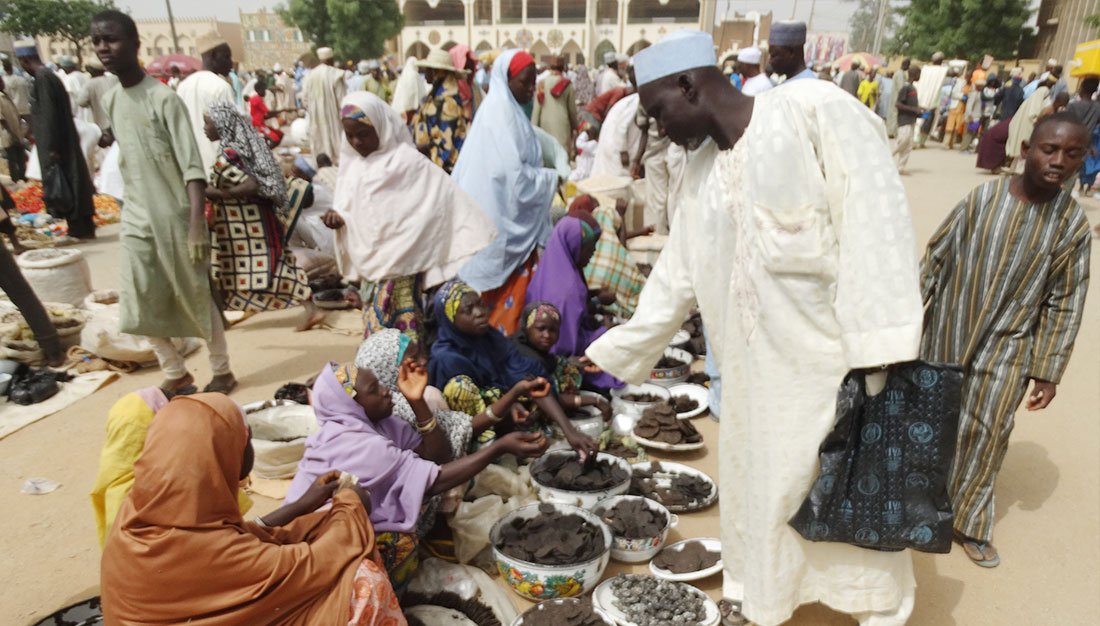
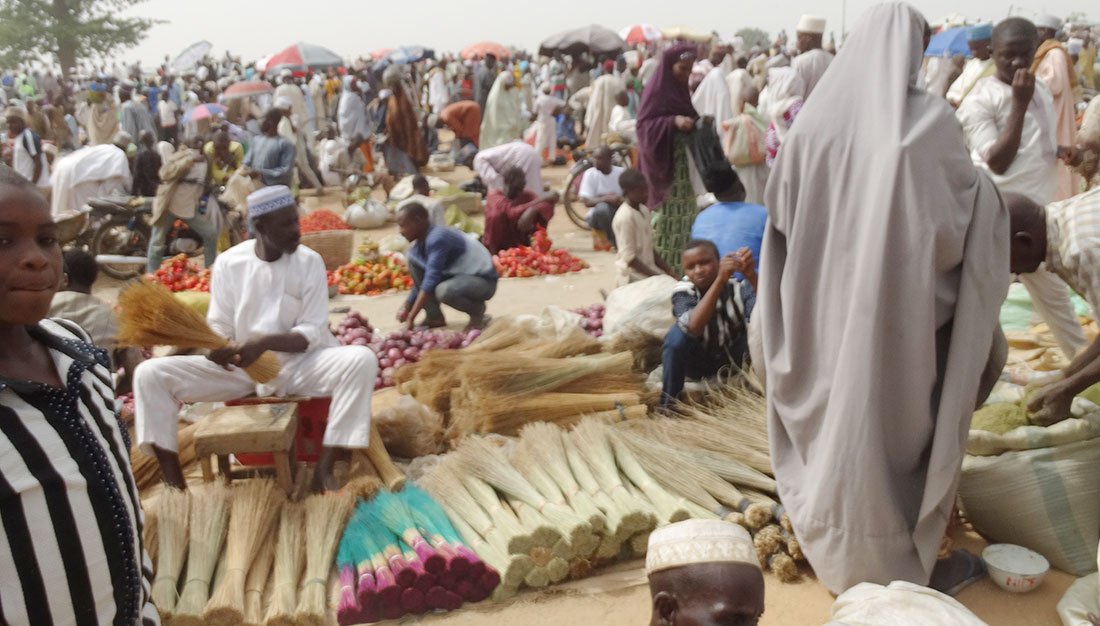
The Zaria City Market (Kasuwan Zaria) constituted the third important element that constituted the Birni. It is located southwest of the Zaria Juma’aMosque. The market formed the economic nucleus of the Birni and since it was the hub of economic activities of the people, its location in the heart of the Birni is imperative.
The development of Market system within the Birni could be associated with the trading activities that were taking place around the convergent point of the important trade routes at Babban Dodo. This explained the citing of the first Kasuwan Zaria at a very close proximity to the trade route junction at Durumin Maigarke. We do not know when and why the Kasuwa was relocated to its present site. However, in view of the volume of economic activities that were going on around Babban Dodo and Durumin Maigarke which were located close to each other, it is plausible to suggest that the relocation of the Kasuwa was due to congestion around Babban Dodo and Durumin Maigarke due to such economic activities. The present Kasuwan Zariais situated around the former slave market and the site for the execution of criminals that committed offences punishable by death. It was after the abolition of slave trade that the site was converted into a market.
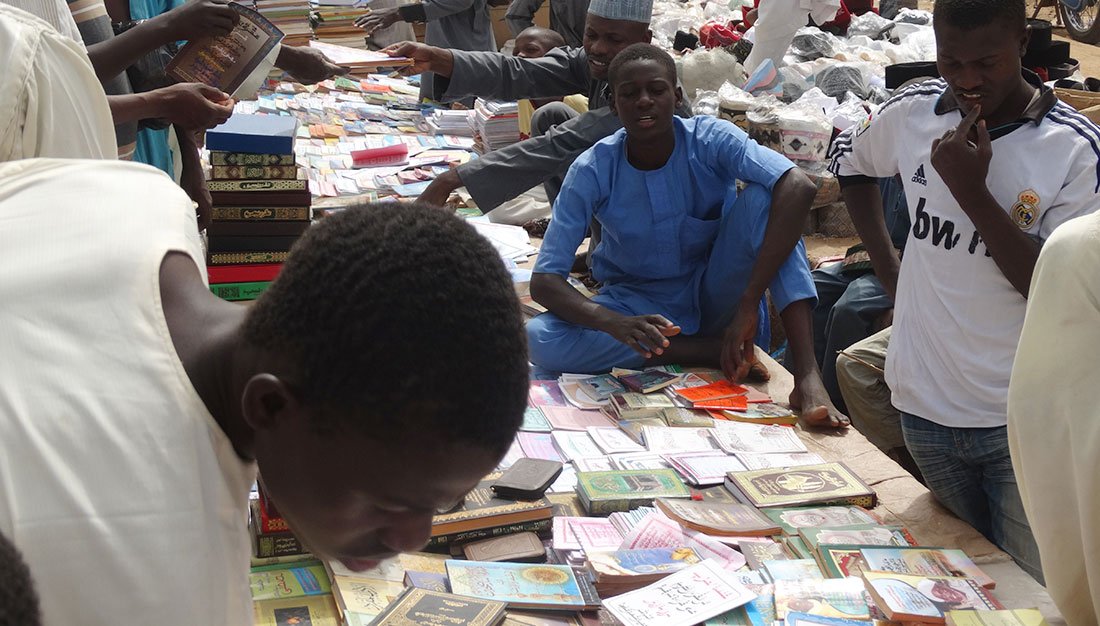
However, the precise date is not known to us at this stage of our research. Kasuwan Zaria has been playing vital roles not only in the economic life of the people but also in their social and cultural lives as well. Politically, the Market affords opportunity for the people of Zaria to discuss issues of common interest. Socially, the Market serves as a forum for consultations between friends, relatives and different groups of people, who while attending the Market, not only had the opportunity of exchanging greetings and pleasantries but more importantly ideas, material culture and wealth.
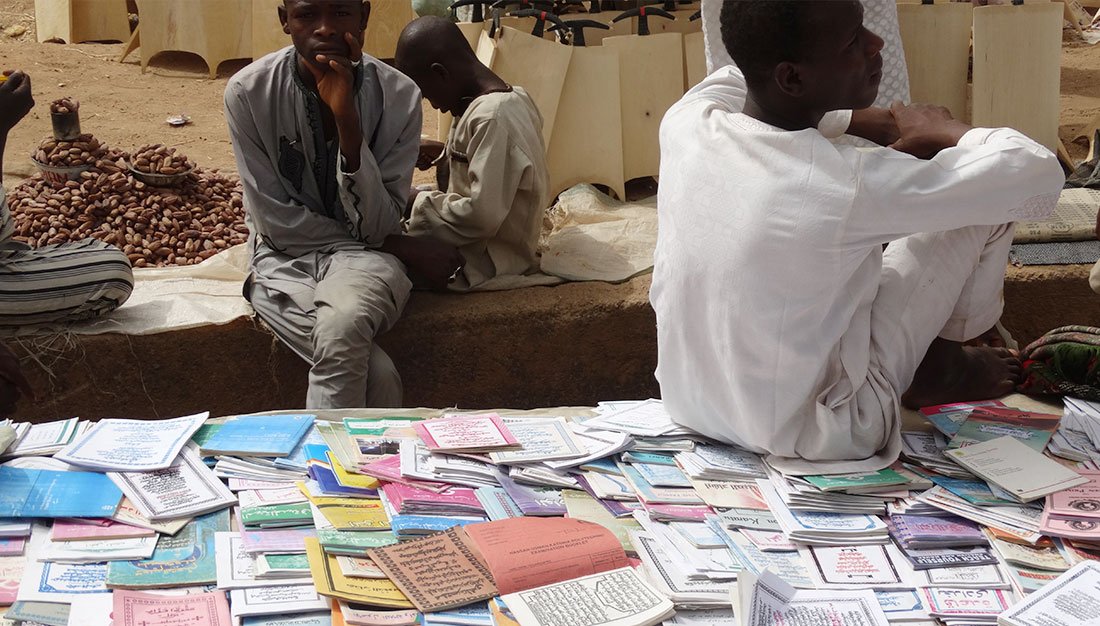
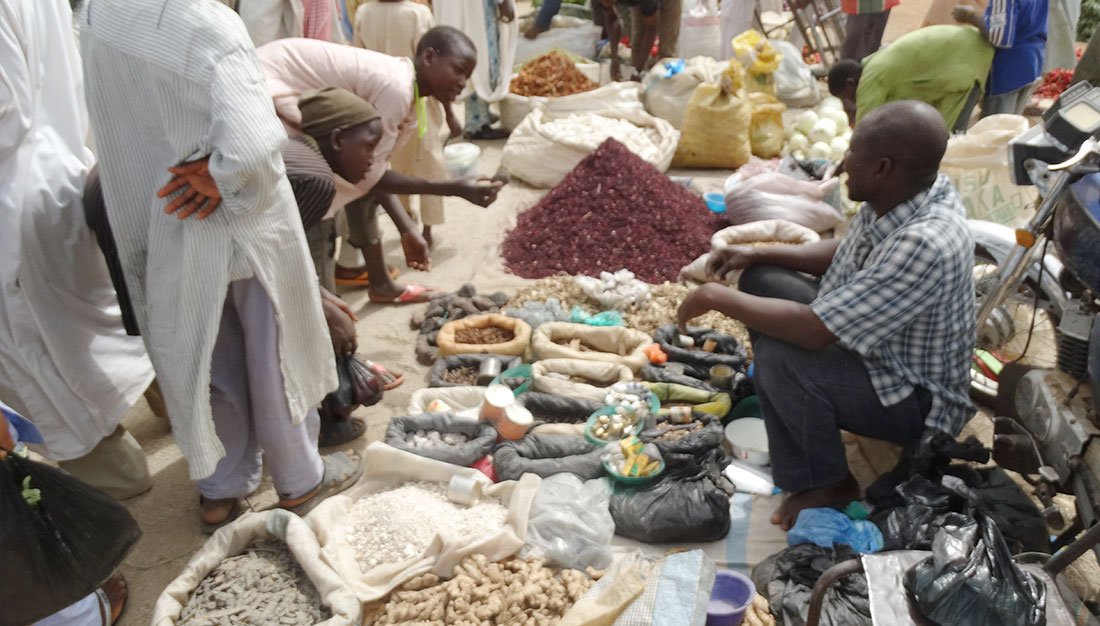
The Kasuwa operated on a daily basis. Staudinger noted that Kasuwan Zaria was an important Market, which was frequented by many people especially on Fridays when more people particularly from the neighbouring villages trooped to the Birni to perform the weekly Friday prayers. Traders and especially people coming from outside the Birni always seize this opportunity to buy or sales their commodities while at the same time performing the Friday prayers. Traders from distant places especially Kano, Hadejia, Katsina and Bauchi also brought their products to the Market. The products included salt, paper and other luxuries, sheep, goats and horses. These products were particularly exchanged for slaves and to some extent leather, textiles, grains, and kola nuts.
The Zaria Market was the largest and most important in the whole of the Zazzau Emirate. Other Markets also flourished within Birnin Zaria in the 19thcentury. These were the Marmara Market to the south, Kaura to the east and Magajiya Market to the west.These Markets were small and therefore were not in operation on daily basis. Rather they held every four days but customers could purchase foodstuffs and few other things on a daily basis from petty traders.