


Gidagen Sarautu
(EMERGENCE OF FULANI DYNASTY IN ZAZZAU)
The 19th Century Islamic Revivalist Movement in Hausa Land (Jihad) led and masterminded by the erudite scholar Sheikh Usman Bin Fodio, led to the formation of an Emirate system of government in hausaland and beyond. Hausa society became the origin of theatre of the revivalists of the Islamic Revolution which began to wane in June 1804 A.D.
Several factors were proffered as to why the jihad started, how it was carried out and how it succeeded in entrenching the hegemony of the intellectuals over the Habe rulers. Hausa states in that periods became decadent as a result of corrupt practices, dictatorial attitude, exploitative and brutal autocratic tendencies of the rulers over the ruled. Shehu Usman Bin Dan Fodio explained that the religion of Islam entered into a complete impasse and decadence in Hausaland where people committed sins without remorse and the Habe rulers appeared not only to tolerate the situation but seemed rather to encourage it. The preaching of Shehu Usman Dan Fodio in Gobir made him acquire much influence over the whole Hausaland and gather mass followers.
The king of Gobir, Yunfa, and formerly a pupil of Shehu Usman Dan Fodio became actively hostile to Shehu and his followers. He attached and slew many Muslims. Yunfa issued an order Shehu and his family to leave his territory, which prompted Shehu Usman and his large followers to flee from Degel to Gudu on 21stFebruary, 1804. The battle of Tafkin Kwatto followed, which marked the beginning of the jihad where Gobir army suffered severe defeat.
On retune to his capital, Alkalawa, the king of Gobir, Yunfa, Dispatched urgent messages to his counterparts in the Hausa State namely, Katsina, Kano Zazzau, Daura and Adar, where he informed them that, “I have left a small fire in my country and failed to extinguish it, and now it has outgrown and burnt me”
Yunfa had warned them that the least of a similar fire would befall them if care was not taken. In addition to this, Yunfa ordered that all the Fulani in his domain should be killed and urged the Habe rulers of other Hausa State to do the same. (Arnett 1929: 20)
The 1804 A.D Jihad rapidly spread and succeeded in transforming the entire Hausa society and beyond. New leadership emerged, replacing the decadent Habe rulers led by the grandsons of Bayajidda. The Jihad brought in, and it wakes new rulers and eventually an Empire was established with Sokoto as the capital. The Emirates that emerged under the Sokoto Caliphate were; Katsina, Kano, Zazzau, Hadejia, Adamawa, Gombe, Katagum, Nupe, Daura, Ilorin, Kazaure, Bauchi, Misau and Borno.
Oral tradition indicate that the last Habe ruler of Zazzau, Makau, son of Jatau (1802-1804) was notorious and obeyed the instructions issued by king of Gobir, Yunfa. Makau Banned Preaching in Zazzau and ordered all the learned people to leave the territory of Zazzau. He denounced the peaceful understanding between Shehu Usman Dan Fodio and Zazzau under the reign of his father, Jatau.
The 1804 A.D Jihad Brought an end to the Habe dynsty in Zazzau led by Bakwa Turunku’s descendants The Jihadists Defeated Makau and took over the territory of Zazzau while he and his followers fled to a place called Zuba, a village near the present Federal Capital city Abuja.
It has been reported that no fighting ensured between the Fulani and the Habe ruler, Makau who completed his preparations to attack the Jihadists with about 20,000 fighters and horses stationed at Hunkuyi village. What prevented the fight was the fact that the Fulani diverted their route into Zaria unnoticed, thus taking the Habe ruler unawares.
The Fulani entered Zaria town with only sixty (60) horses and met only eightythree (83) houses in the walled town. Makau fled with about Three thousand followers and finally established settlements named after his brother Abubakar Jatau as Abuja, which was later renamed Suleja after Suleiman Jatau, when the new federal capital of Nigeria was named Abuja. Therefore, we can see that the establishment of Abuja is assumed to provide continuity of Habe kingship of Zazzau which explains why the Emir of Suleja is referred to as “Sarkin Zazzau na Suleja”
With the conquest of Zazzau by the Fulani, the people settled down peacefully with the Fulani rulers and most of the traditional titles of the Habe were retained and continuously used to the present day.
The Fulani administration adopted the pre-existing system of the Habe that did not conflict with Islamic etiquette and spiritual aspect. They also established a comprehensive system of Hausaland, with various titles and functions assigned to individuals.
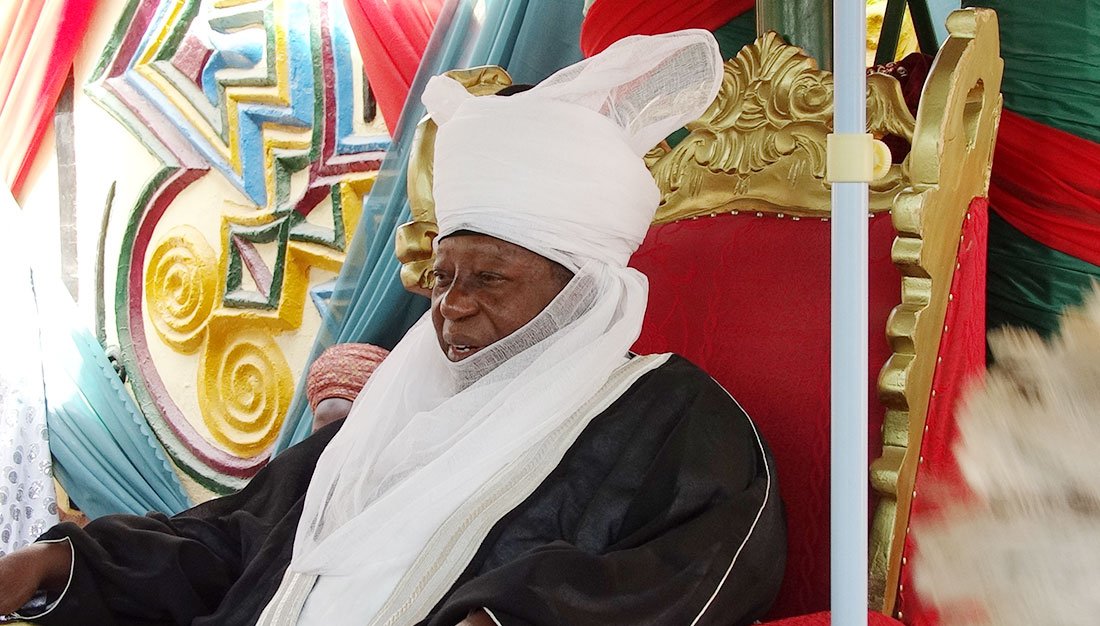
The establishment of the theocratic system of government led to the creation of powerful political and administrative superstructure with Emirs as the focal point of authority. The emirs were autonomous heads of government in the Emirate and exercised both temporal and spiritual power in line with Islamic principles. The Emirs thus metamorphosed into the real pillars of the society.
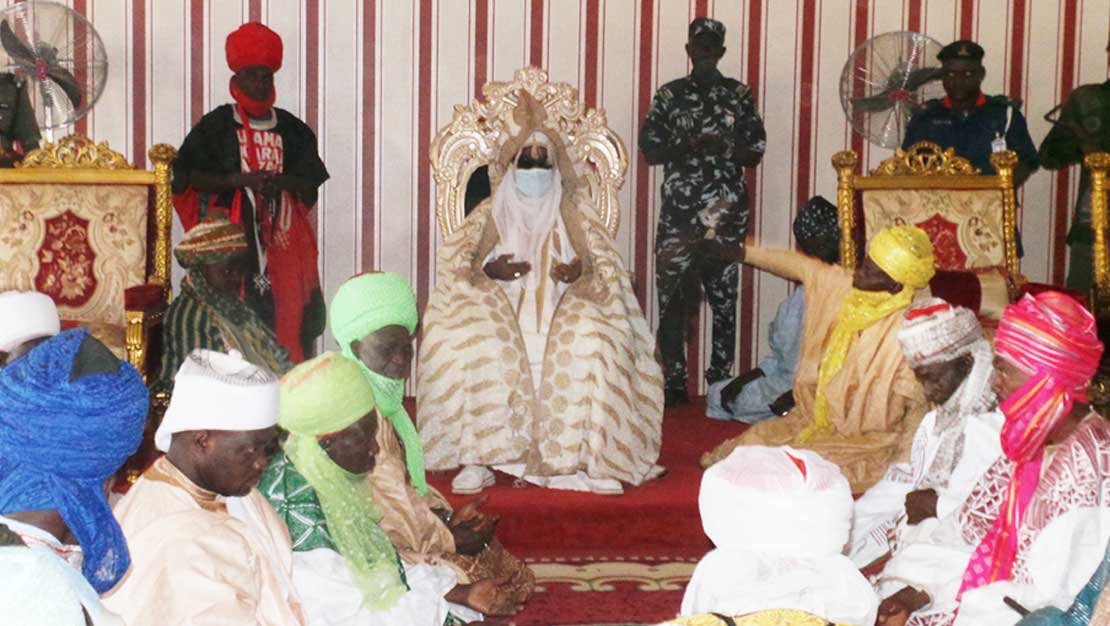
The administration of the Fulani in Zazzau paved way for the emergence of the three institutions of governance, viz, the legislature, executive and judicial arms. The existence of these separate components gave the Emir effective control over the entire Emirate. The Emir ruled in conjunction with a council known as “Majalisa” which in effect served as a quasi-legislative body and advised the Emir on the day-to day administration of the Emirate.
Zazzau Emirate under the Fulani was strictly administered in accordance with the divine law (Sharia) and the Judiciary was charged with the responsibility of court arbitration. Justice in the Emirate was carried out by the court in Zaria; the Emir’s court, the Alkali and Shalanke court. The Alkli was the chief justice and remained in the capital while salanke was a ‘Travelling Juge’ who accompanied the Emir on his journey or Tour. Matters that include serious case were referred to the Emir’s court which was regarded as Supreme Court of appeal.
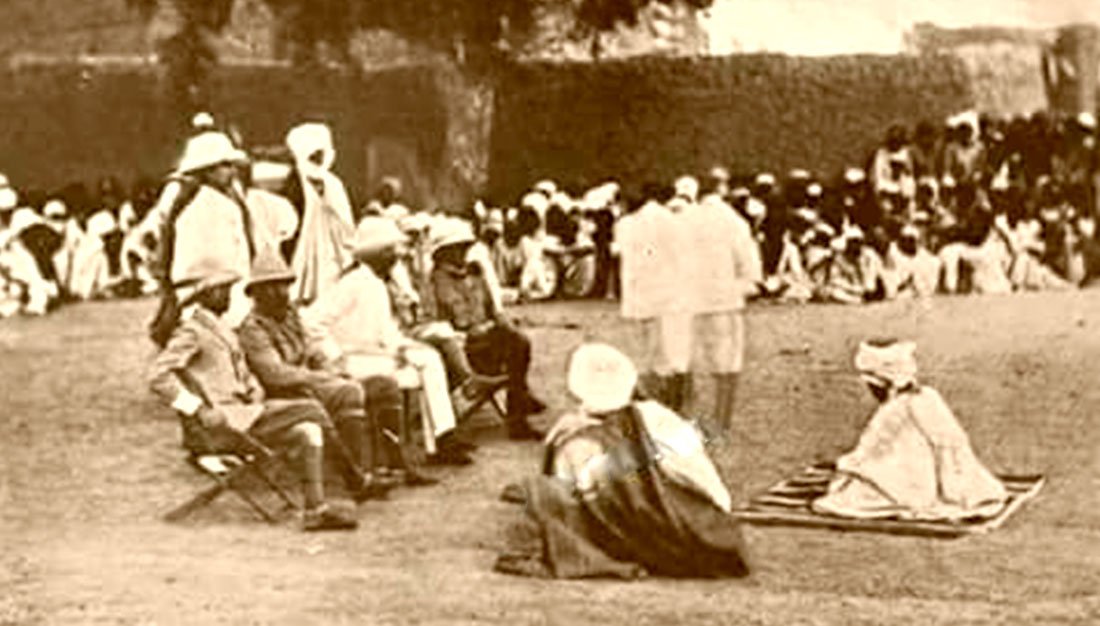
The structure of the Fulani administration was also responsible for the collection of Zakkat an Islamic obligation of the rich people of the poor. The structure was also responsible for the control of lands and other polices meant to promote the welfare of the communities. This Fulani system of government continued uninterrupted up to the period of British occupation in 1900.
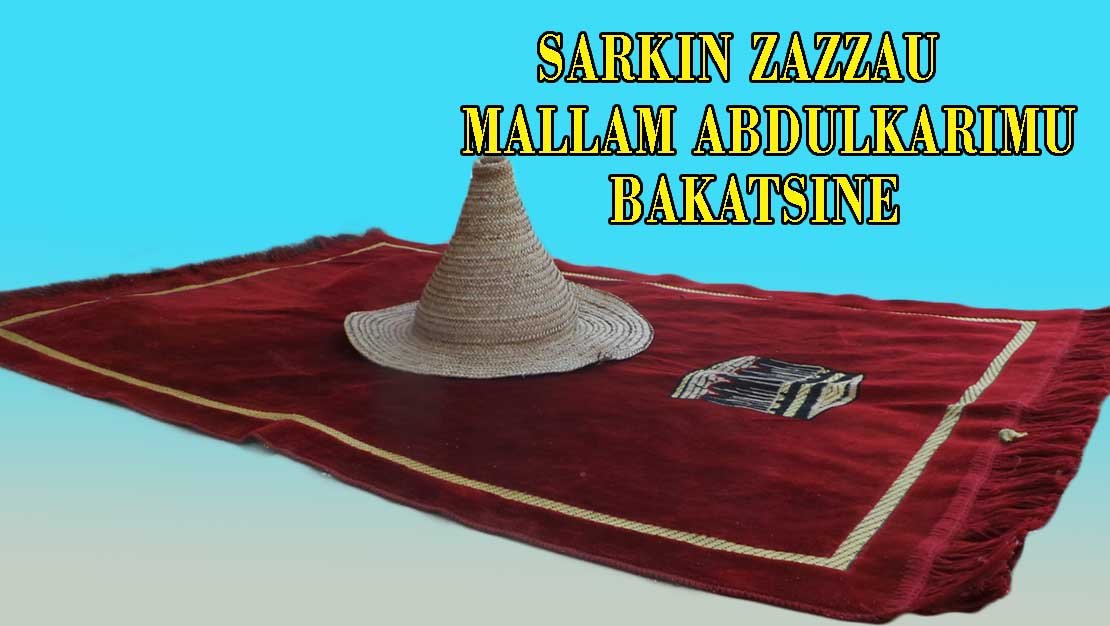
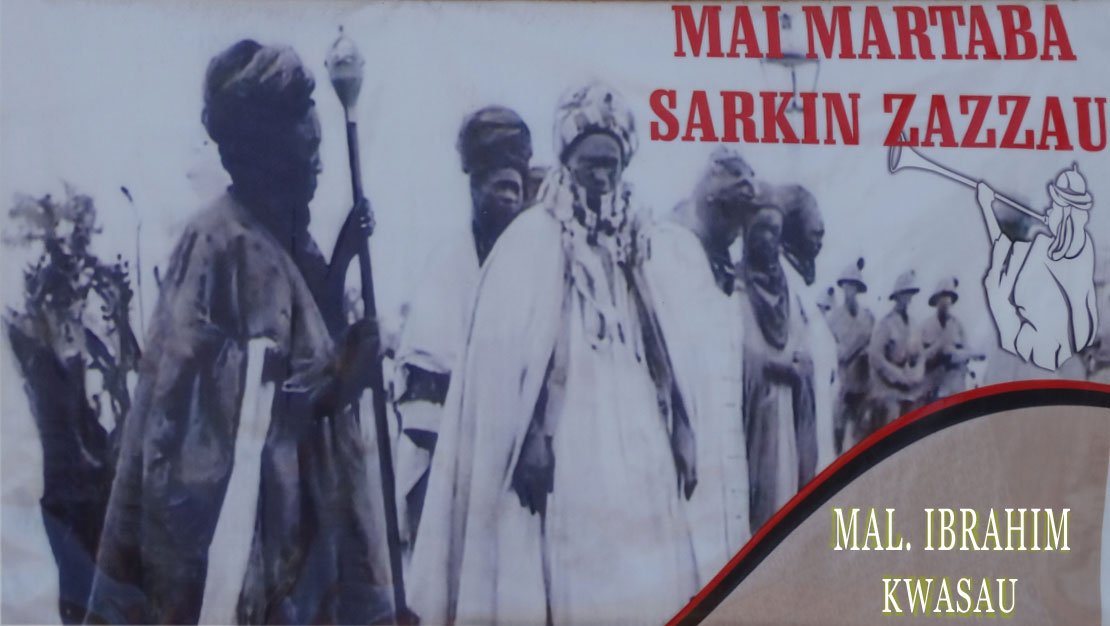
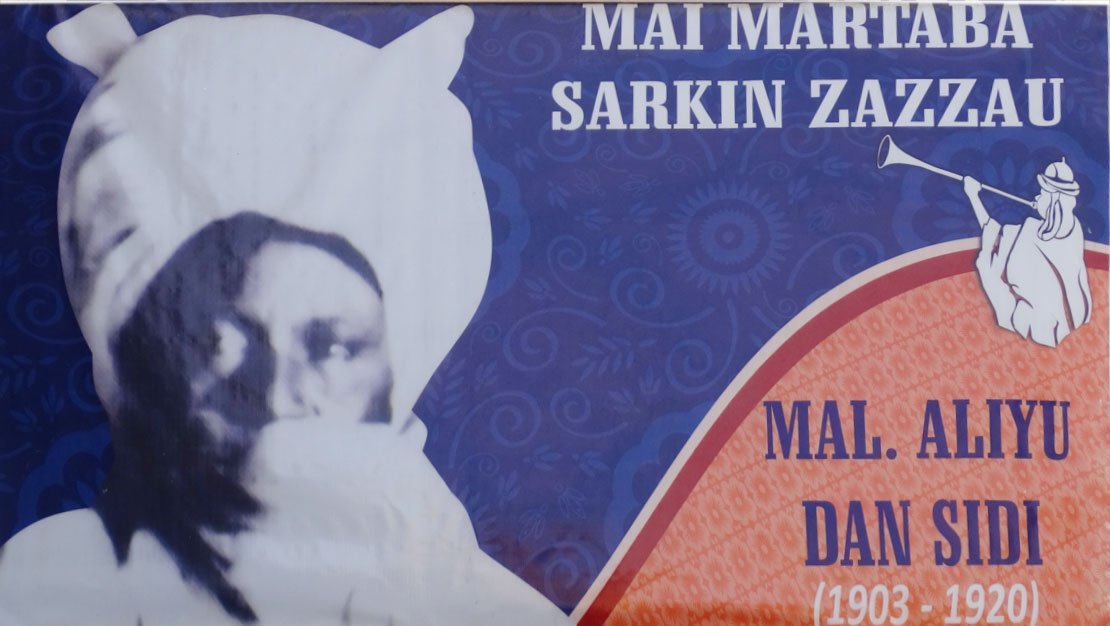
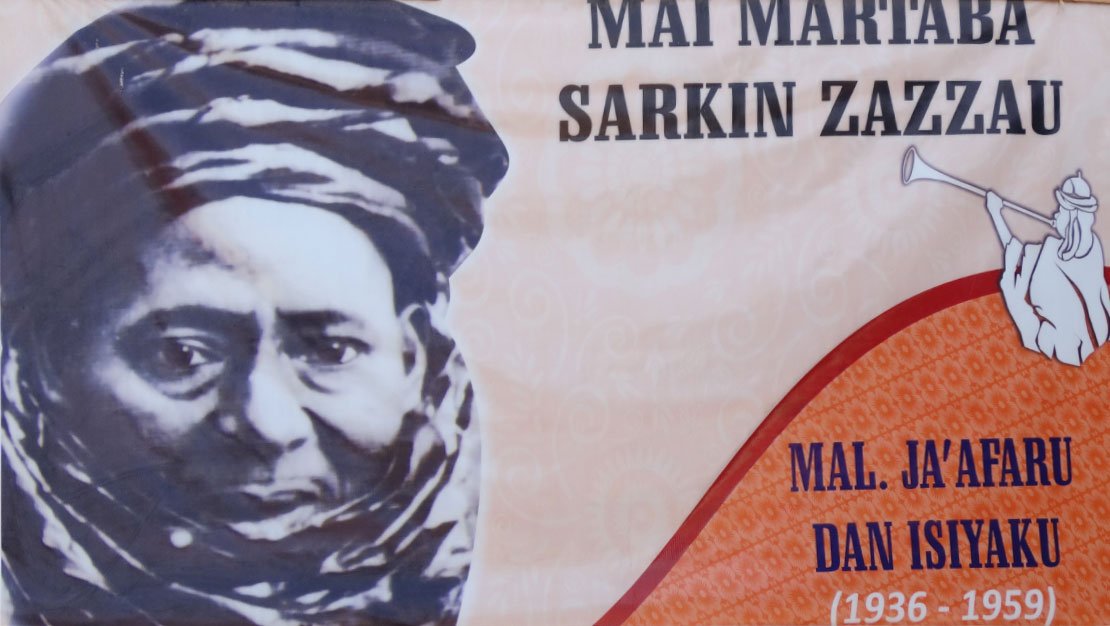
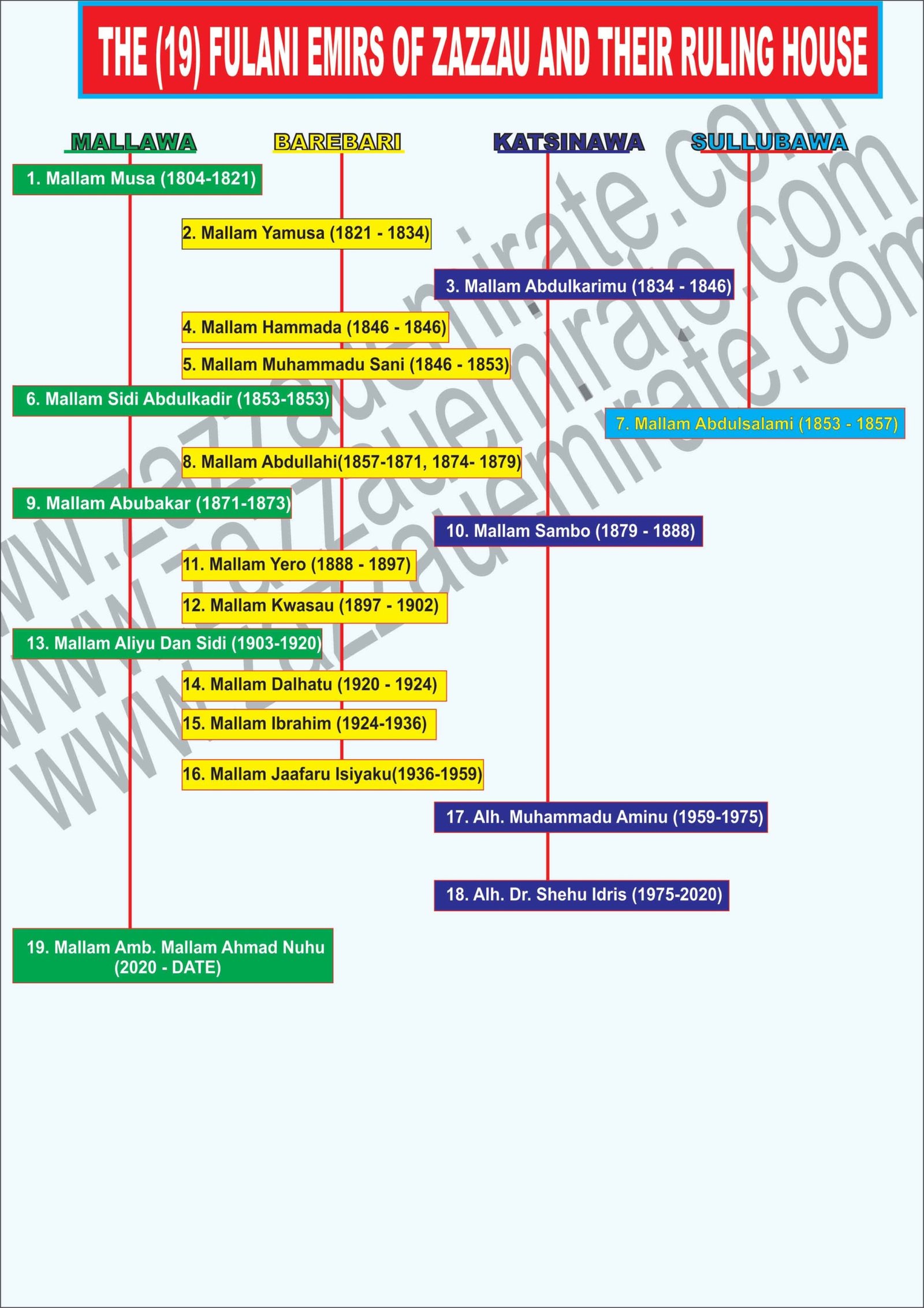
The Fulani jihad in Zazzau established four ruling house at the initial stage namely, Mallawa, Bareberi, Katsinawa, and Sullubawa. The Amirul Muminin Shehu Usman Dan Fodio, appointed Mallam Musa, Mallam Yamusa and Mallam Abdulkarim Conquest of Zazzau Kingdom by the Fulani, the ruling houses emerged.
(Appointment of Emir in Zazzau is from these dynasties).
Mallawa Dynasty Barebari Dynasty Katsinawa Dynasty Sullubawa Dynasty
It should be noted, that their administration transformed and improved on the lives of the people, not only politically, but also Socio-economically, and Educationally as there was greater quest for knowledge which eventually, led Zazzau to become centre of Islamic and Western Education, not just in Hausa Land.