

GIDAN BAKWA
The royal Palace (fada), also known as gidan Bakwa in Zaria, is located in the central part of the Birni, as are most palaces in Hausa land. This was for strategic and military reasons. The site for the Palace was chosen on the advice of a warrior, according to oral tradition. His advice was based on the fact that the location was advantageous, allowing someone standing in front of the Palace to see as far as Kufena, Dutsen Hange, Turunku, and so on. Not only that, but military signals on the approach of enemies or dangers to the Palace could be received from such locations. Such signals were delivered to the Palace via drums and other instruments, which could only be deciphered by specialists who immediately relayed the message to the appropriate quarters for immediate action.
The Palace marked the main focal point of the traditional city. It stands immediately beside and to the North east of the Masallacin Jumu’a (Friday prayer Mosque). Access to the Palace is through an entrance situated at the western edge of a long space reaching to the main street of the town and Market place nearby.
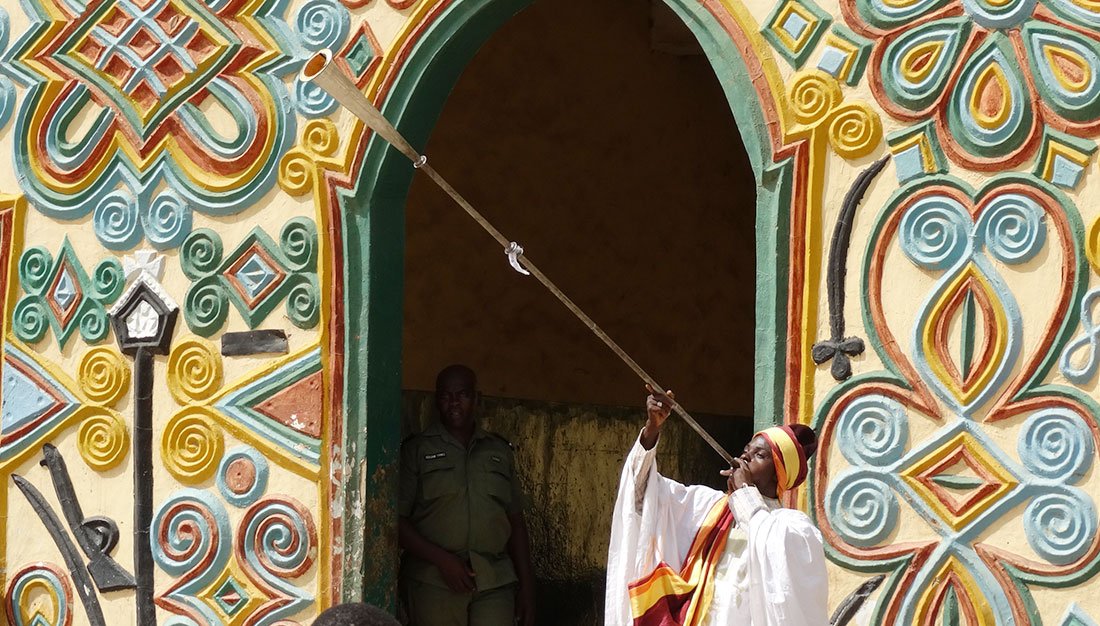
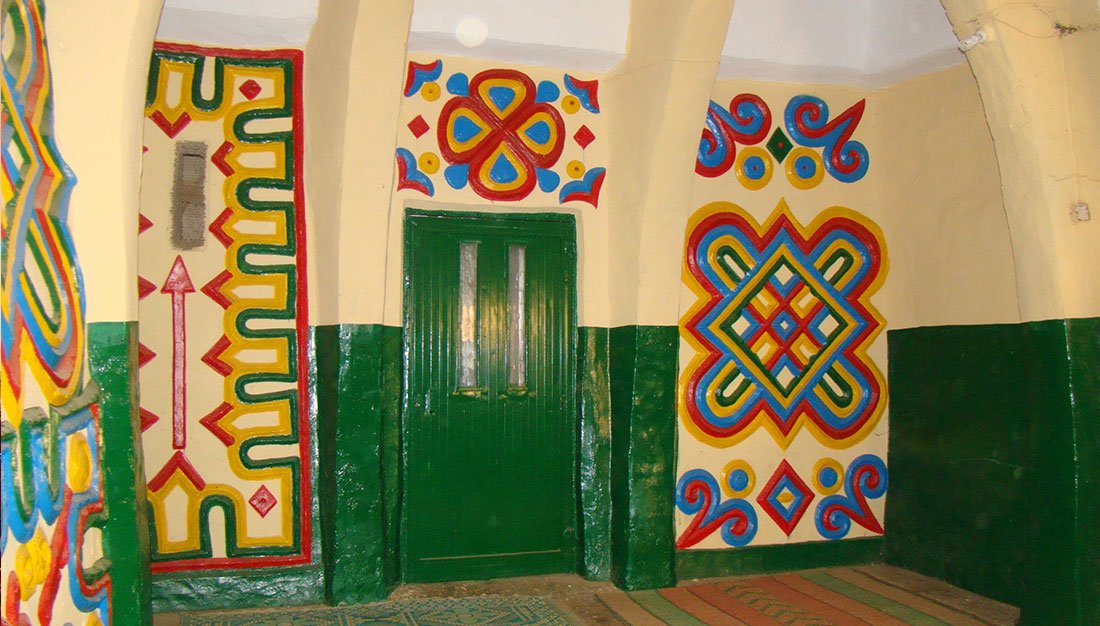
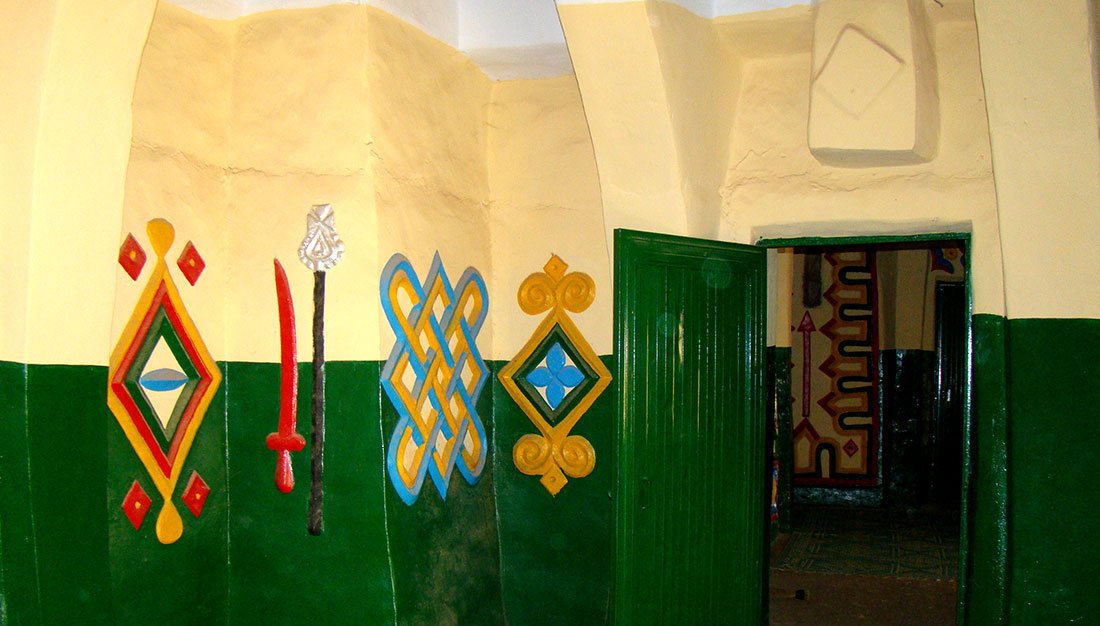
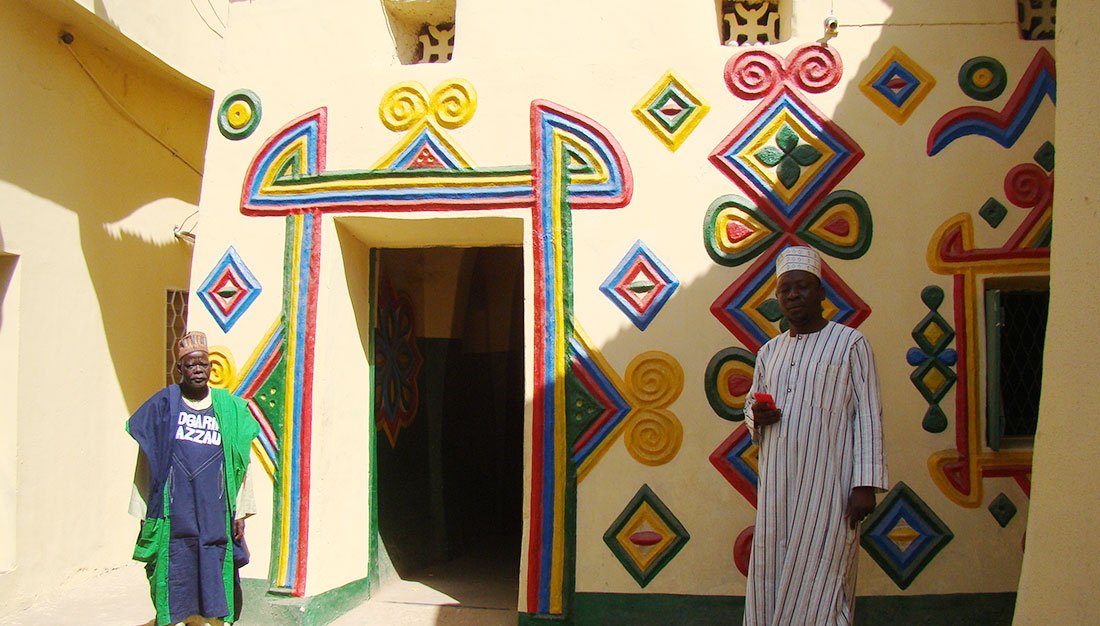
The Palace was built of mud until recently when it under went some transformations involving the erection of modern structures within it. The royal Palace is broadly divided into four large sections namely: the royal court (Fada); the King’s section (sashen sarki); the inner compound (cikin gida) and the old compound (tsohuwar gida) . By all standards the Palace is a monumental and magnificent structure considering its large expanse, tall wall, and richness of its architectural design and the size of its gates. The dimension is such that it was compared to a small town. Thus, the Palace was considered as one of the greatest achievements of Hausa architecture.
The history of the royal Palace should be connected with the birth of the city itself. This is because it was the establishment of the Birni in the 15th century that necessitated the construction of the Palace that was meant to accommodate the rulers and some substantial part of their officials and servants. As mentioned earlier, following the decision of Bakwa Turunku to shift his capital from Turunku to Zaria due to the acute shortage of water in the former and its smallness, a team led by Zaria, the daughter of Bakwa Turunku was sent to over see the construction of the Palace. The appellation Gidan Bakwa (Bakwa’s House) in reference to the Palace may be a tacit recognition of the person that ordered for its construction.
Because of its central role in the life of the people of Zaria, the Palace defined the spatial organisation of the Birni. This was because the Palace was located in the middle of the Birni and all the Anguwanni (wards) and the other two elements i.e. the Mosque and the Market that defined the Birni seemed to radiate to the Palace with many settlements clustered around them. The Palace not only defined the spatial organisation of the Birni but also gave its name to the quarter it was located in. Organic relationship seemed to be established between the Palace and the outlying wards with the Palace drawing large crowd of people especially from the countryside particularly during the Sallah festivals. This was because of the easy accessibility to the city via networks of roads and paths converging at the Palace from each gate and ward.
It should however be noted that apart from the main Palace many other quasi
Palaces existed in Zaria. This followed the rejection of Malam Musa to occupy the Habe Palace after falling to the Jihadists. This was because Malam Musa saw the danger in occupying the Habe Palace with all its luxury and traditional practices. His fear was that if he did so the Jihadists might revert back to the practices of the Habe time. Consequently, Malam Musa converted his house at Kwarbai as his official residence instead. His successor, Mallam Yamusa also opted to carry his official activities at his house at Rimin Doko in Kaura ward. Other rulers of BareBari ruling dynasty also used the house at Rimin Doko as their Palace there after.
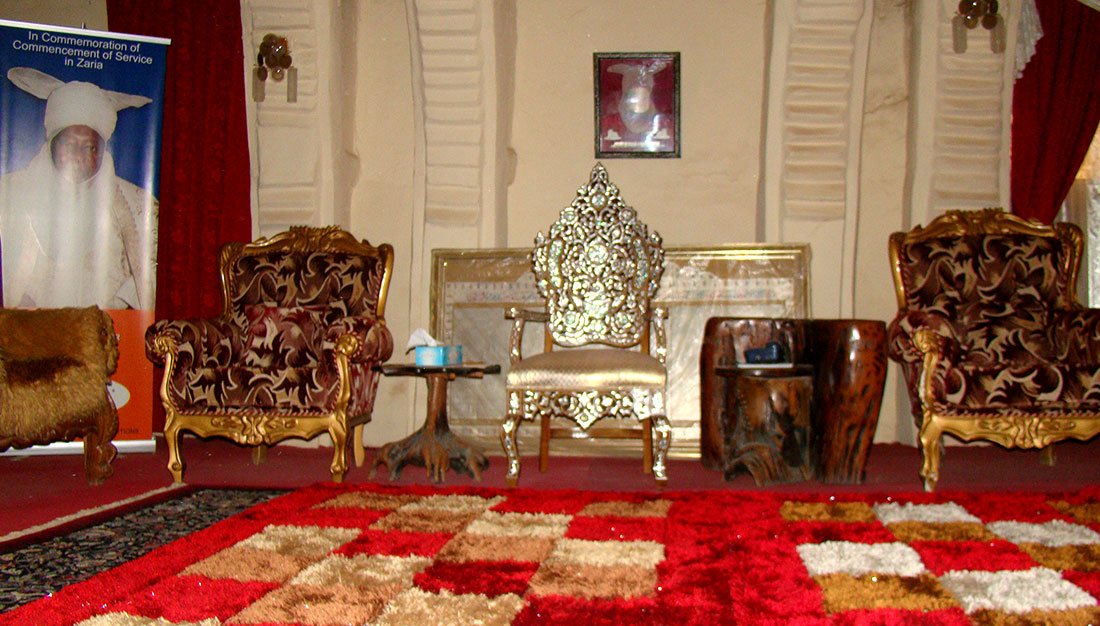
It was during the reign of Malam Abdul-Karim (1834-1846) that the use of Gidan Bakwa as official residence of the rulers of Zazzau was reverted to. This was following an approval by the representative of the Sultan of Sokoto to that effect. Consequently, some transformations were made to the Palace. For instance, many rooms were constructed in the Palace. This included the royal drums rooms (Dakin Tamburra) and a mud chamber popularly known as Takwan Giwa, which the present Emir, Alhaji Shehu Idris was using as a sitting room. The renowned builder, Mohammadu Durugu built these structures.
There was another quasi-palace near the present Palace at the site where the headquarters of Jama’atu Nasril Islam is presently located. This was following the refusal of Hammada the successor to Abdul-Karim to occupy Gidan Bakwa. Subsequently, Emirs after Hammada also operated at various places. This was for the reasons mentioned above. For instance, Emirs from the Barebari ruling dynasty ruled from Kaura at Rimin Doko as mentioned earlier. While Abdul-Salam ruled from his house at Anguwan Bishar. Mallam Abubakar of the Mallawa ruling dynasty ruled from his personal compound at Kofar Doka, which now accommodates the city prison at Kofar Doka. It was the reoccupation of Gidan Bakwa by the 10th Emir of Zazzau Malam Sambo that marked the end of the existence of quasi-palaces in Zaria.
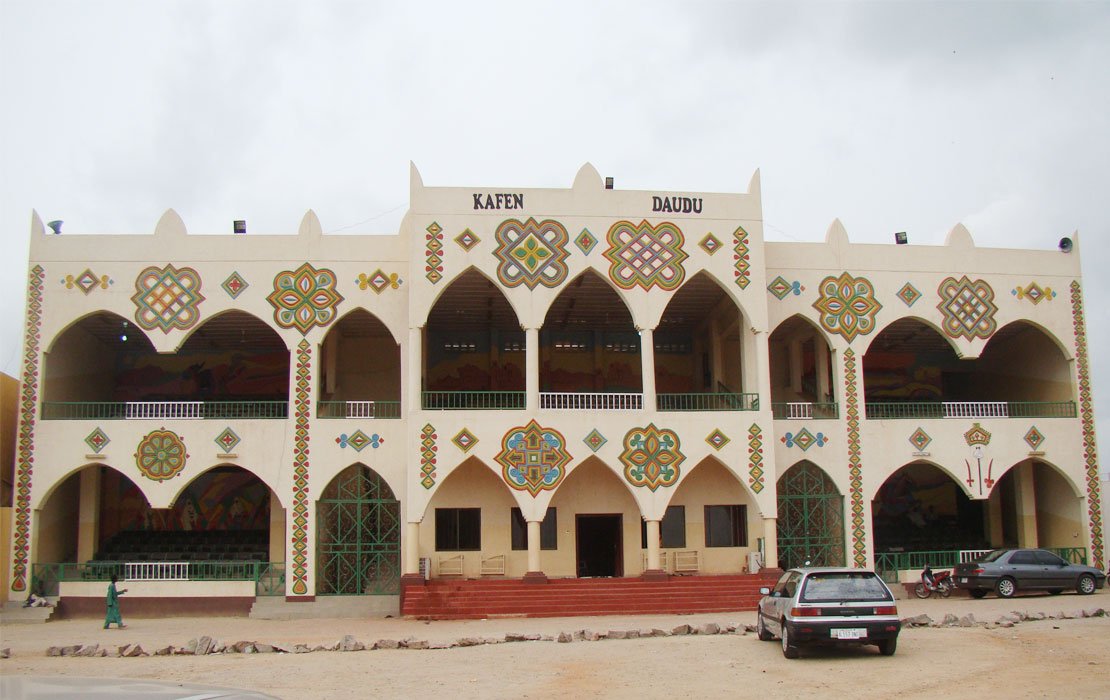
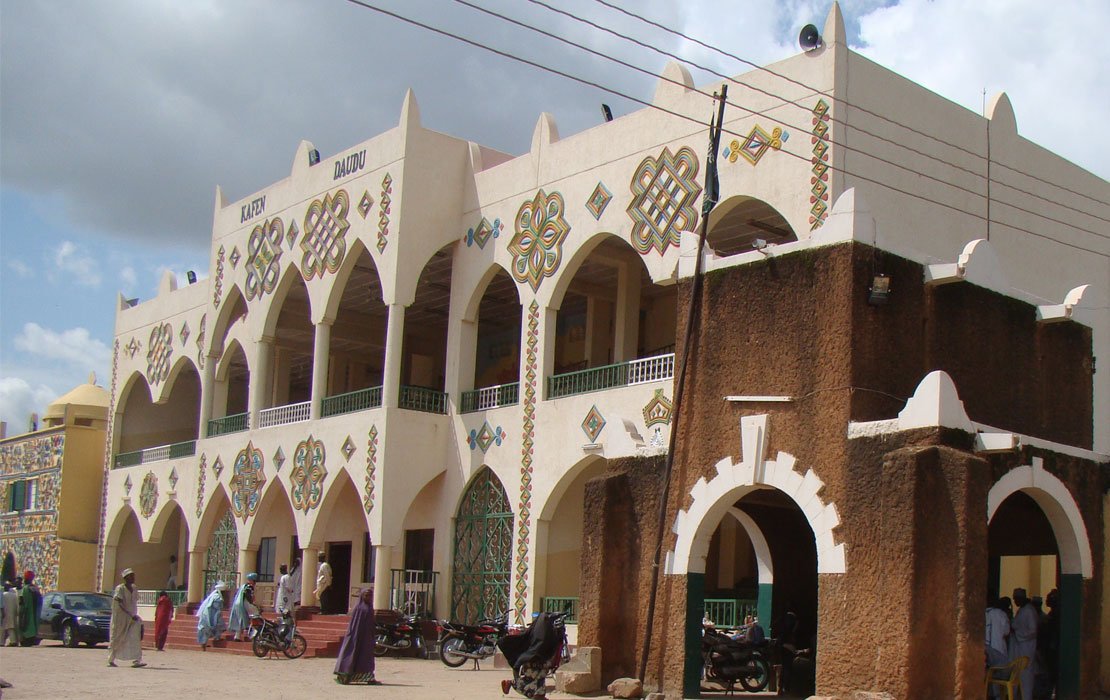
All the succeeding Emirs were housed in the original palace (GidanBakwa) Sarkin Zazzau Sambo’s re- occupation of the palace marked the end of the existence of such quasi-palace. It has been narrated that Sarkin Zazzau Sambo formally requested Sultan Mu’azu for permission to enter the palace based on reasons that this would resolve the problems of rotating the palace and amicably restore the tradition values of Zazzau Emirate. Thus, we could see the important role played by Sarkin Zazzau Abdulkarimu and Sambo in connection with the development of the permanent palace which was originally established by the Habe and subsequently by the Fulani for the Multi-dynastic ruling families. For instance, the present Emir’s room was constructed in 1939 by late Emir of Zazzau Malam Jafaru Dan Isiyaku, which gives the room today a somewhat colonial outlook. The late Emir of zazzau, Alhaji Muhammadu Aminu carried out a number of renovations in the palace, including construction of gardens in the Emir’s section, construction of the former royal drum room, and entrance to the Emir’s section where a flag is hoisted today and outer chamber that new stands in between the newly constructed Kafen-Daudu Podium. In addition to this, he also constructed the main entrance to the palace in 1963 with traditional architecture, which was later demolished by the incumbent Emir.