

(KOFOFIN ZARIA)
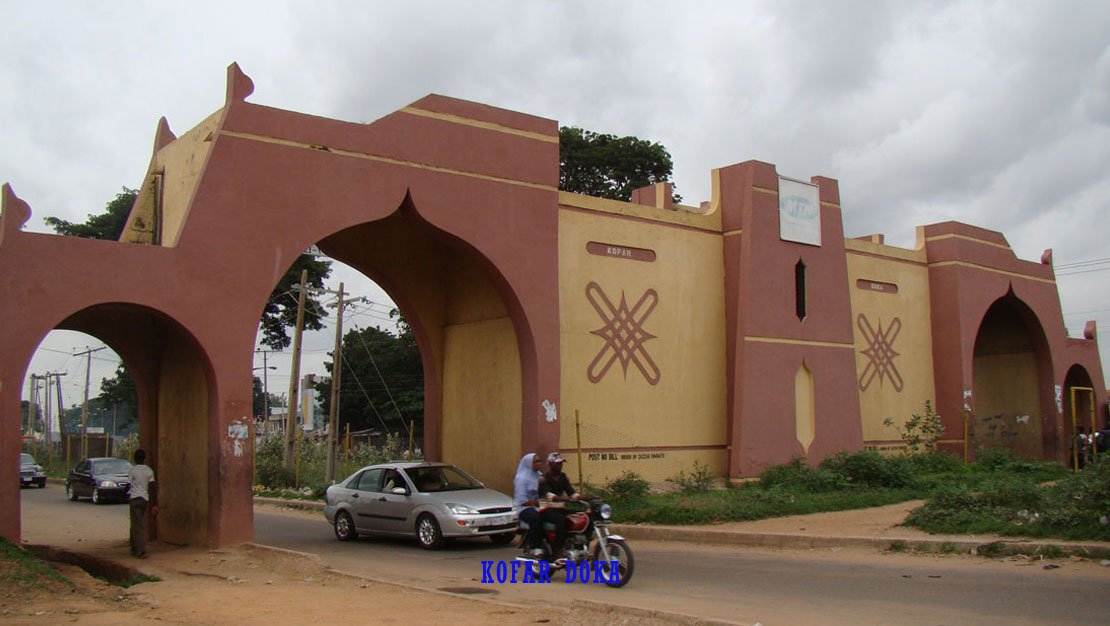
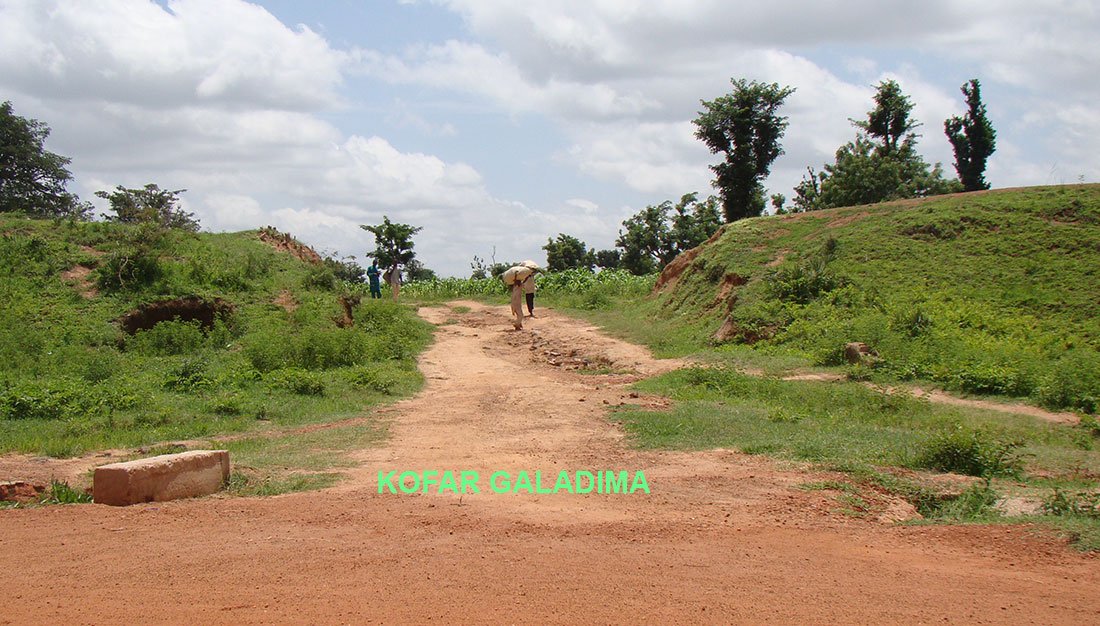
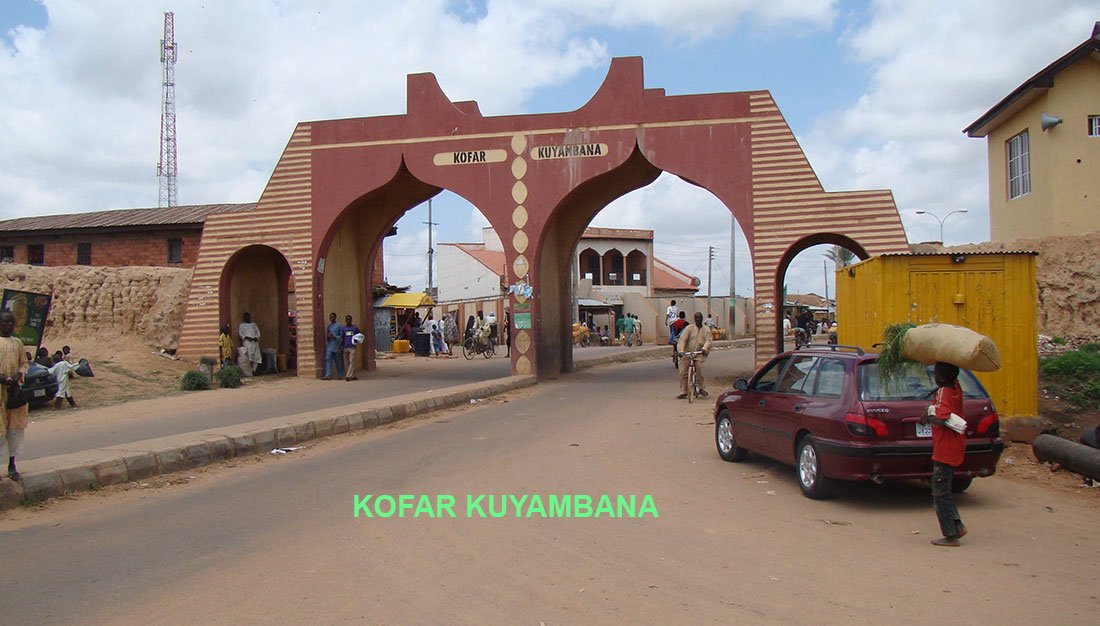
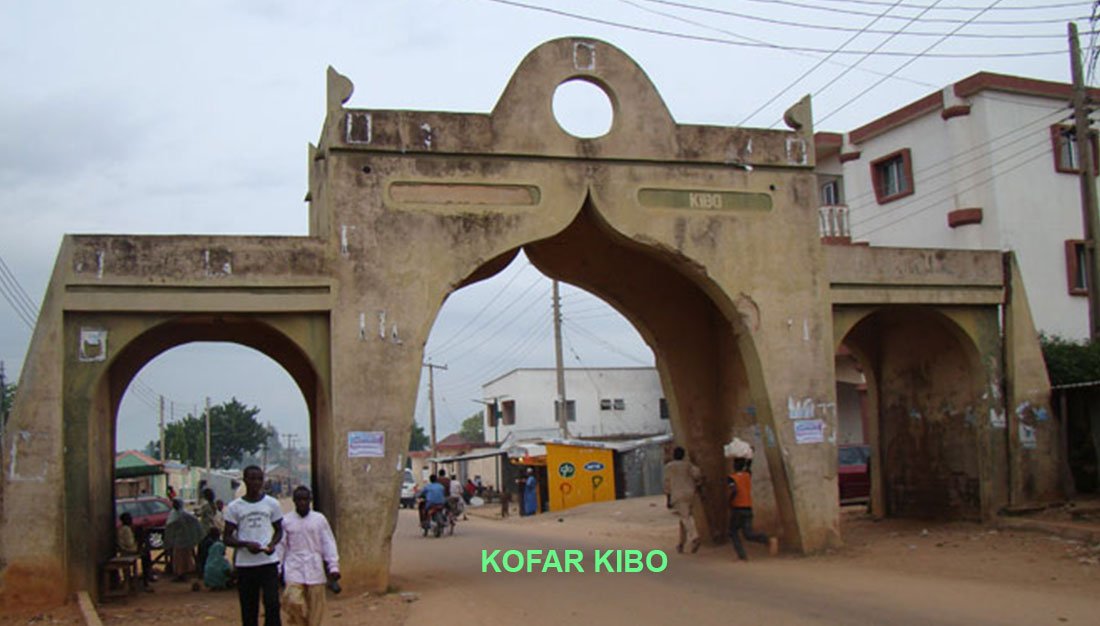
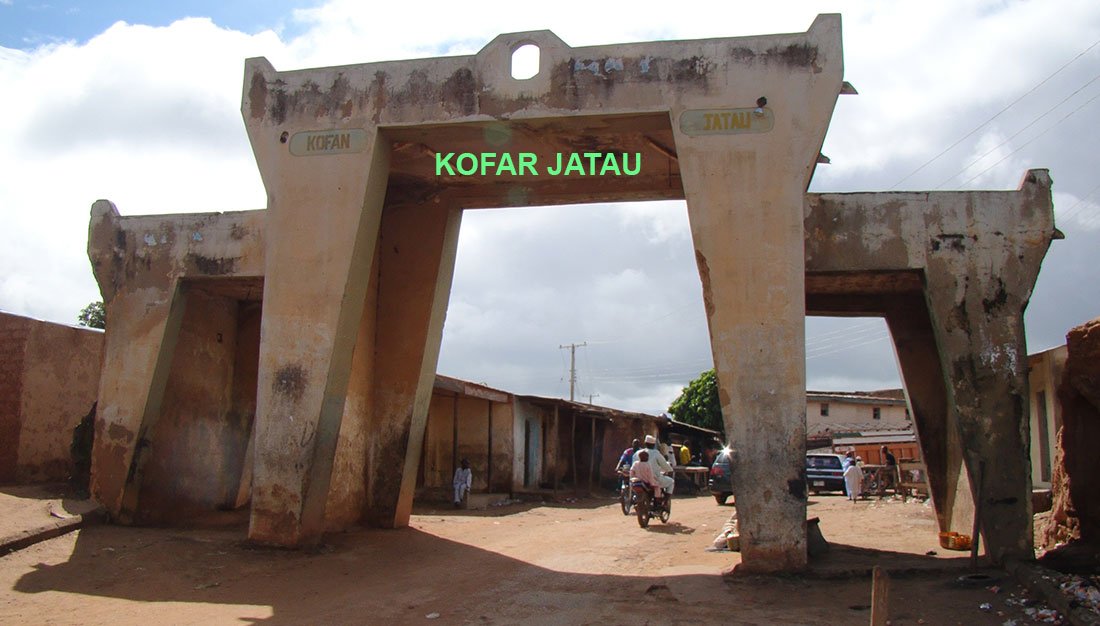
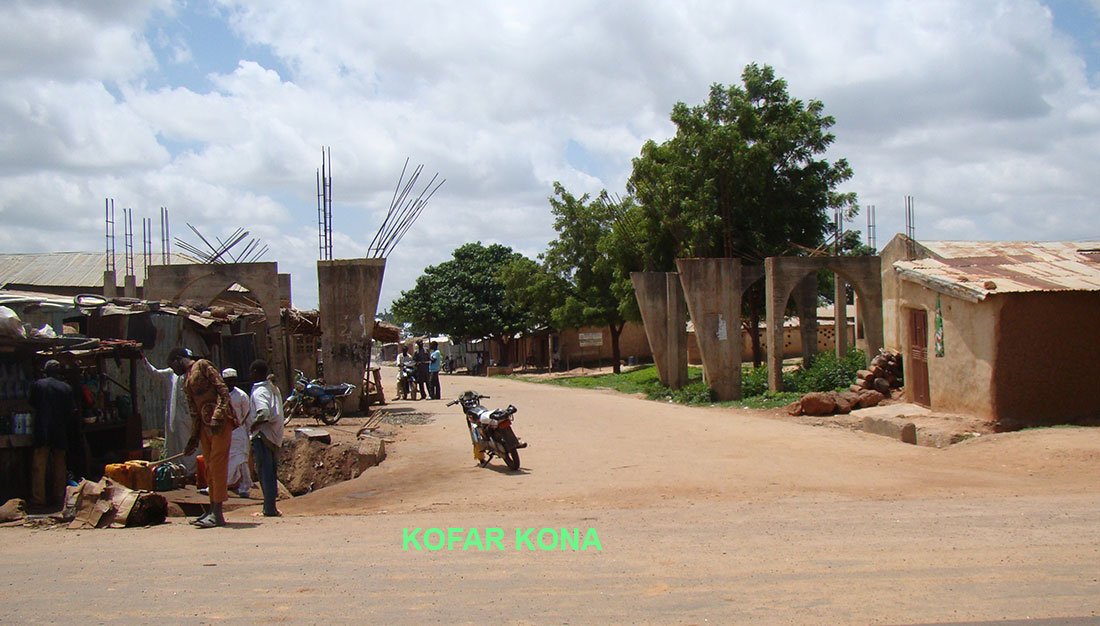
As correctly observed, Nine gates were constructed with each of the gates built by twisting the entrance inside. This was to direct the enemy into a narrow front from where he will find it difficult to fight. Fixing strong wooden doors and latches to them further tightened defenses at the gates. Granites and laterites were used in the construction of the gates in which layers of stones were alternated with layers of clay in order to create a well-built wall. The names of the gates were;-
Kofar Bai Kofar Doka Kofar Galadima Kofar Gayan Kofar Jatau Kofar Kona Kofar Kuyambana Kofar Tukur Tukur
The gates of Birnin Zaria obtained their names either from the specific physical features associated with the gates or from some important personalities associated with the state of Zazzau. It should be noted, however, that the nine gates were not constructed at the same time. But rather they evolved through time. Initially there were six gates. Then later three more were added and out of these one was closed down later. According to local tradition the number of gates in a city depended upon its size. A small city may have four gates while a big city may have as many as eight or more. This was to allow for easy access in and out of the Birni. The first six gates were as follows; Kofar Gayan, Kofar Kuyambana, Kofar Kona, Kofar Tukur Tukur, Kofar Doka and Kofar Bai.
The city gates were in the effective control of the Sarakunan Kofa (gate keepers) who lived in the gate houses located within the vicinity of the gates. These officials were responsible for checking immigrants and traders, and collection of taxes from traders. Apart from the regulation of movement of people into the Birni, the Sarakunan Kofa were also responsible for the provision of accommodation to travelers. The city gates were usually closed as soon as it was dark to guard against surprise attacks on the city, while they were opened in the morning after all precautions to ensure that there were no security threat to the Birni. The gates could also be closed at any time of the day when there were real or perceived threats to the Birni. This arrangement greatly helped in providing effective security to the Birni. Network of radiating roads converging at the centre of the Birni linked the gates with the city where three important physical spatial elements dominated the scene. These include: the Palace, Mosque, and the Market.