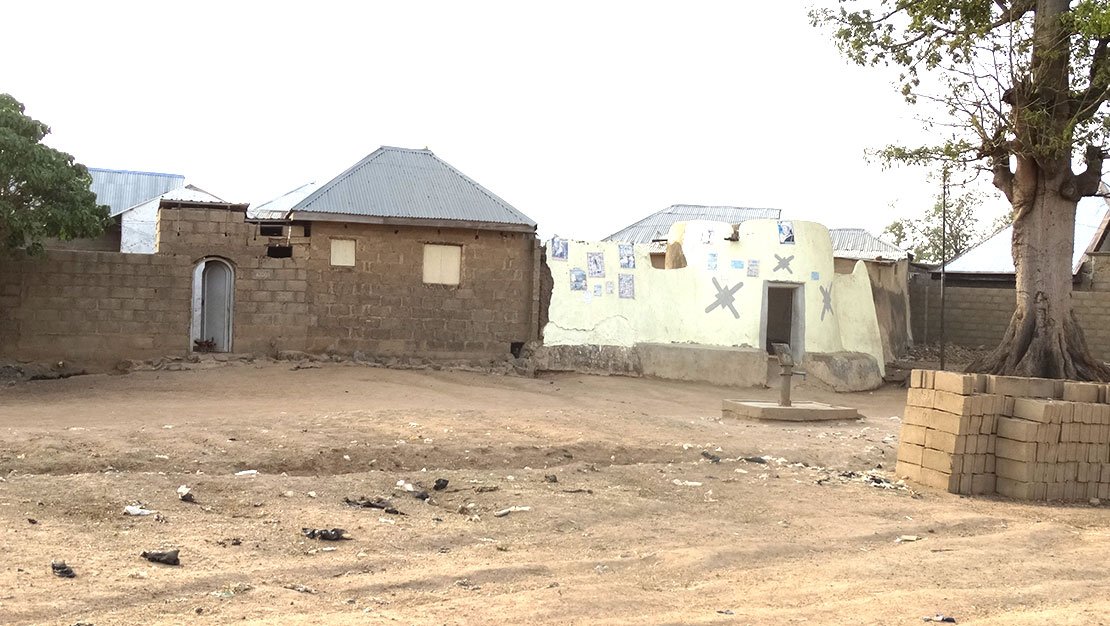
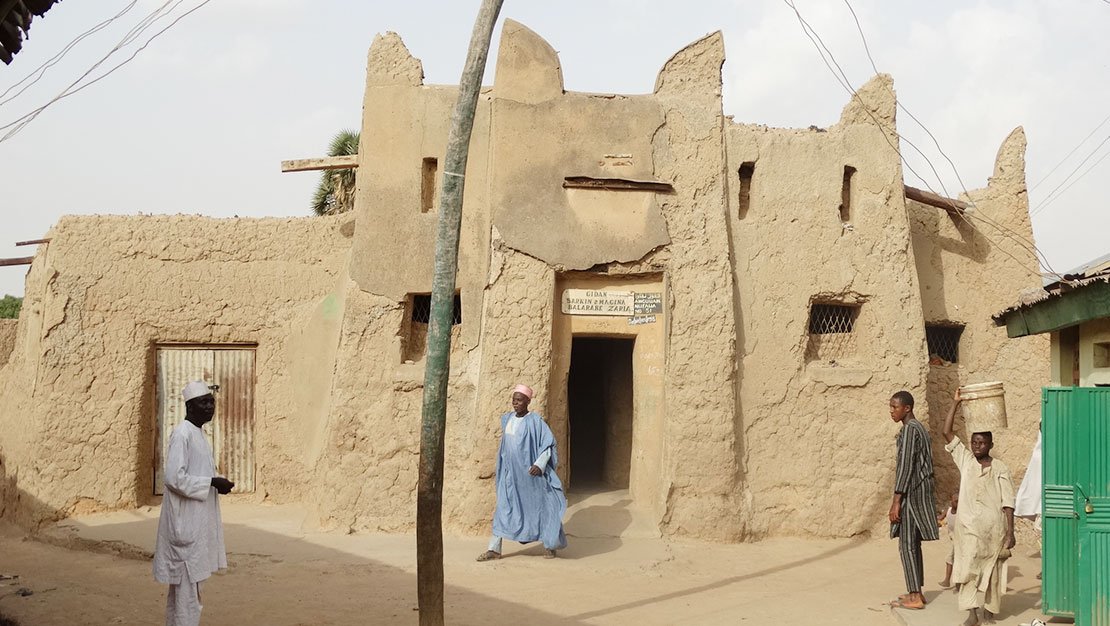

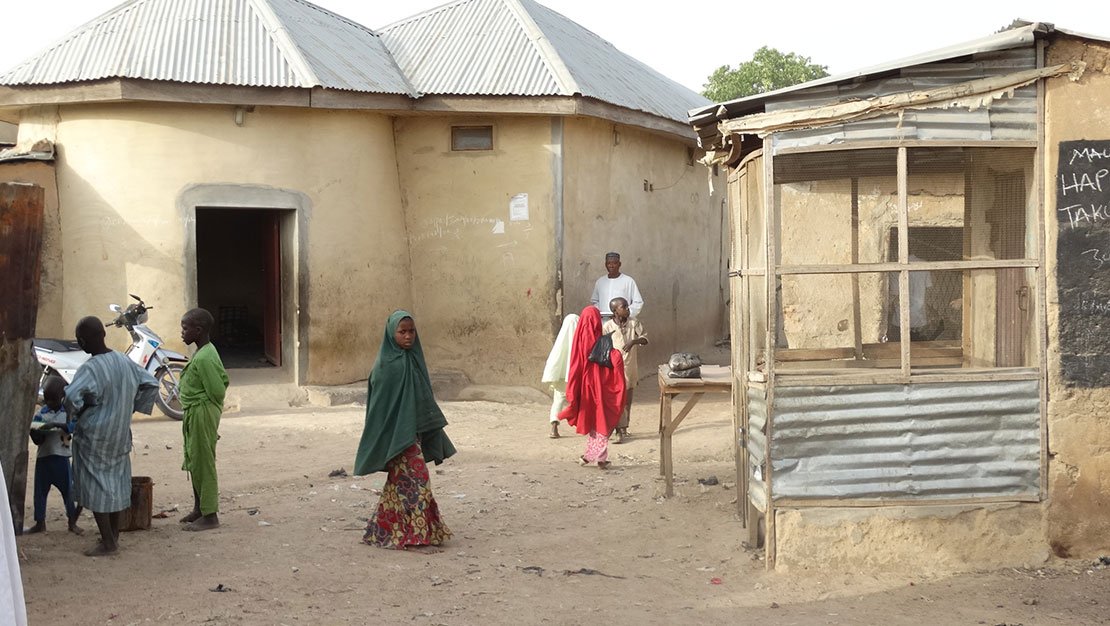
THE ANGUWANNI OF BIRNIN ZARIA.
THE HISTORICAL GEOGRAPHY OF BIRNIN ZARIA.
The natural environment of Birnin Zazzau with a view to finding out its relevance to the development and interpretation of the course of human history in Birnin Zaria up to the beginning of the 20th century. In the course of doing so, particular attention shall be paid to such environmental features as, the geology, topography, climate, soil, fauna and flora of the area. The natural environment in the historical development of any society is imperative. This is because it is only when the environmental background to man’s activities is properly established that we can have a proper grasp of the dynamics of human development. This assumption is based on the fact that the first premise of history is the existence of man, whose primary role in historical development is the production of goods and services to satisfy his needs. Hence, there is a dialectical relationship between man and his environment, which creates inter-relationship between man and nature. That is to say while the environment plays a major role in shaping human history, man also shapes and utilizes the environment for his benefits depending on the level of man’s technological development. There are two dominant views in relation to how a historian looks at and studies his environment. One of the views tends to see man as a passive actor in his environment and therefore only adopts himself to it and nothing else, while the other view insists on the centrality of man in influencing, and controlling his environment. Karl Marx clearly demonstrated man as a socially active producer: (Man)…. confronts the material of nature as one of his own forces. He sets in motion arms, legs, heads and hands, the natural forces of his body in order to appropriate the material of nature in a form suitable for his own needs. By thus acting through this motion on the nature, which is outside him and changing it, he at the same time changes his own nature. In our discussions here, we did not view the relationship between the natural environment and man from the deterministic perspective in which man is always responding passively to environmental factors. Instead, we see the relationship as a dynamic one involving a two way process in which the two actively interact with one another resulting in peculiar cultural and socio-economic developments.
We have highlighted the centrality of the environment in the historical development of the people of Zazzau. From our study and understanding of the natural environment of the area we have come to see how the people of Zaria were able to exploit the environment to meet diverse socio-economic needs and subsequent development of Zaria into an important urban centre that played significant role in the socio-economic development of African sub-region.
ETHNIC COMPOSITION OF ZAZZAU
The number of Districts (Gundumomi) that sprung up in the various parts of Zazzau following its establishment constituted people of diverse ethnic backgrounds. These were people that came to Zazzau at the various phases of its development. The alchemy of ethnic composition in Zazzau was made up of Katsinawa, Mallawa, Barebari, Zage-zagi, Arabs, Yoruba, Nufawa, Kanawa, Zamfarawa, Goburawa, and people from the southern parts especially the Kadara, the Kaje and the Katab and the various groups of Fulani. A number of factors need to be examined to explain this ethnic composition in Zazzau. Migration was a very important consideration in this respect. Zazzau witnessed waves of migrations from various quarters since its inception in the 15th century. These were prompted by commerce, wars, famine and the search for Islamic education As early as the 15th century, Zazzau occupied an important strategic position along the trans-Saharan trade routes. It falls on a junction where two main trade routes converged. Many historians’ where of the view that the main caravan routes that linked up with Nunkoro and Hausa land was Birnin Zaria through Zangon Aya and Barnawa, Kudaru, Zangon Katab, Kafanchan area, Jagindi, and Kwankwasa. Another trade route linked up Hausa land with the forest region via Zazzau. This trading contact finally led to the permanent settlement of most of these ethnic groups in Zazzau. The relative peace enjoyed by Zazzau particularly between the 15th and 18th centuries also encouraged the influx of migrants into Zazzau. Unlike other Hausa states, Zazzau did not experienced the fangs of famines that afflicted most Hausa states. Also during these periods most of the wars of conquest for the control of more territories hardly affected Zazzau. Hence, the relative peace it enjoyed. Islam also served as a catalyst to the migration of a large number of Muslims clerics and students into Zazzau. This was particularly around the 17th century following the emergence of Islam as a political force. With the Jihad in 1808 large groups of people mainly scholars and pastorals came to settle permanently in Zazzau.
THE ZARIA WARDS (ANGUWANNI OF BIRNIN ZARIA)
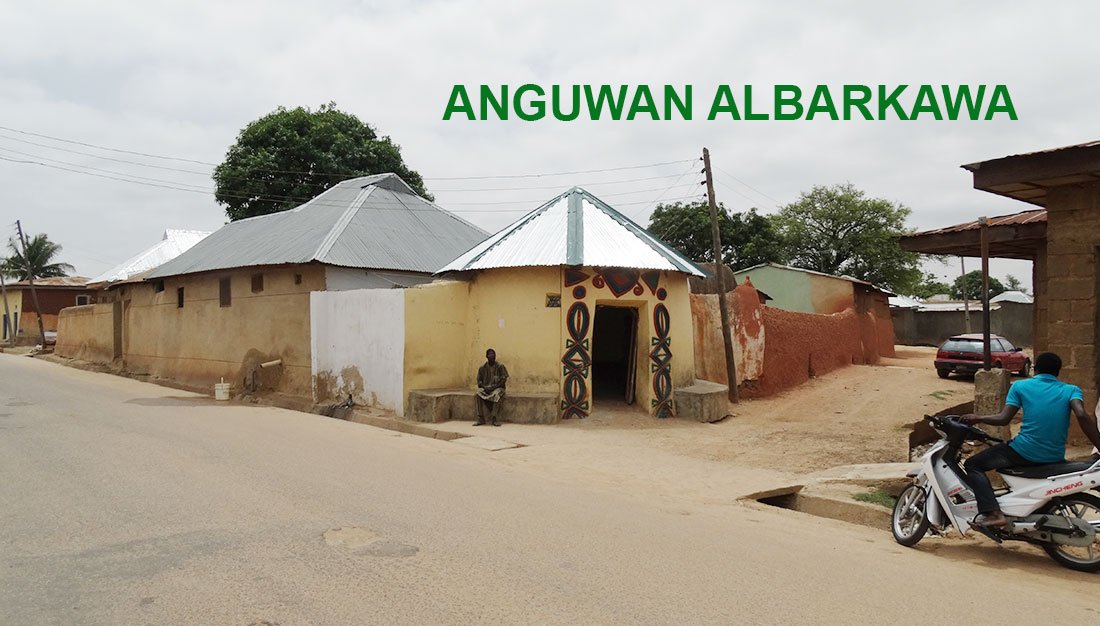
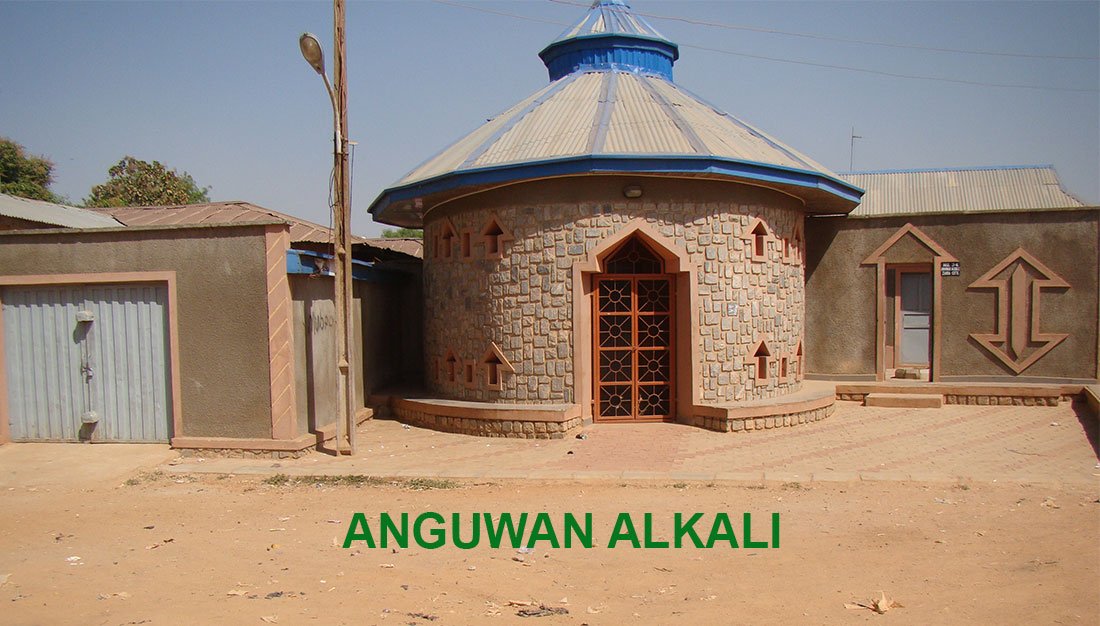
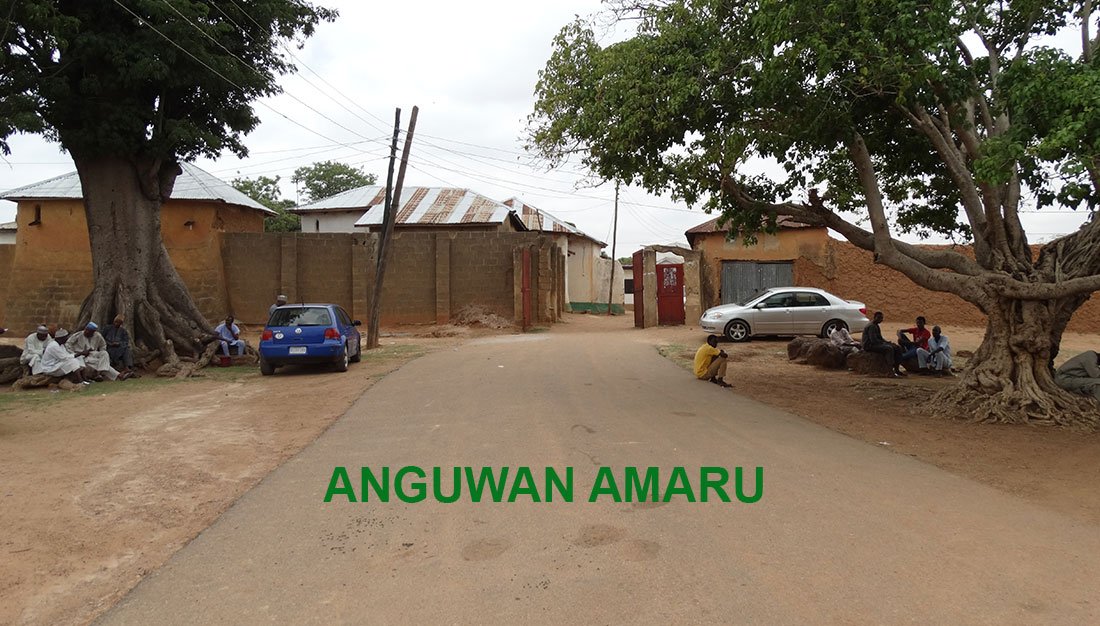
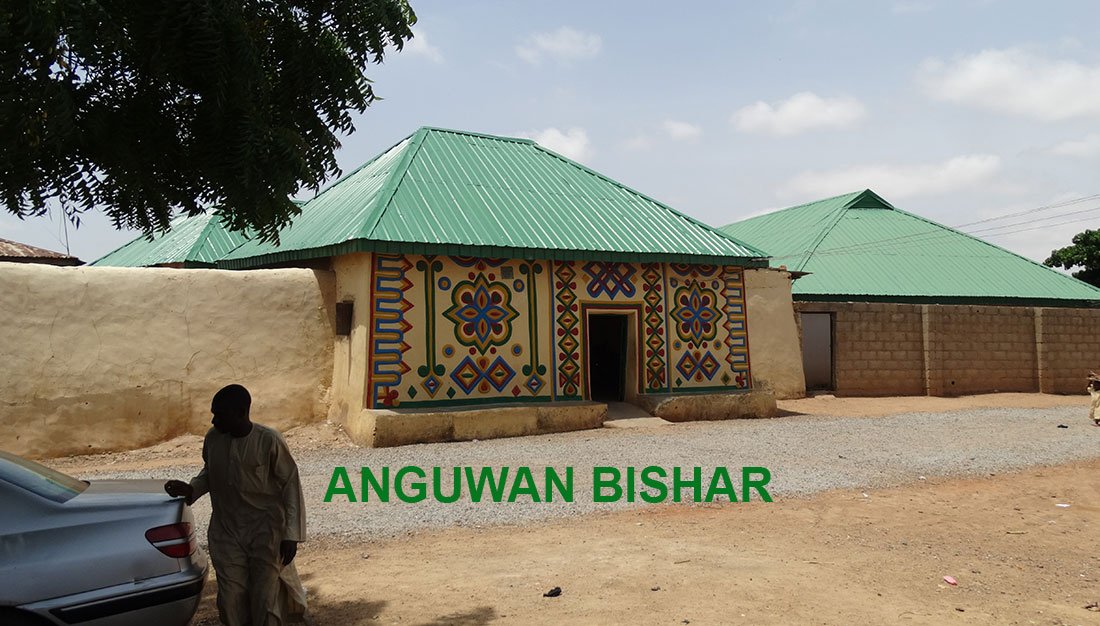
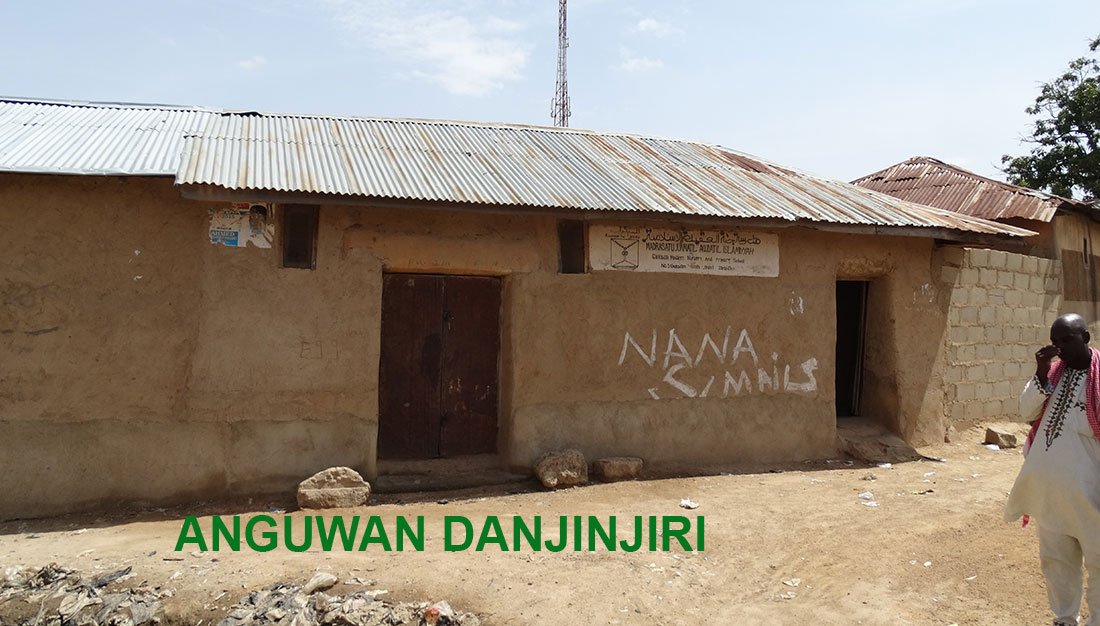
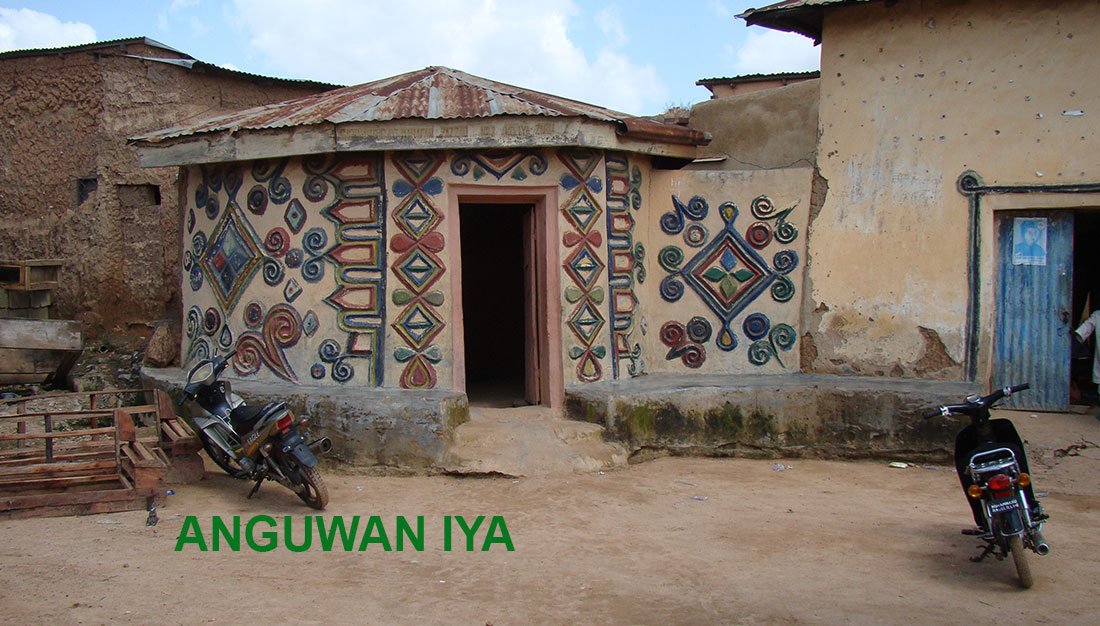
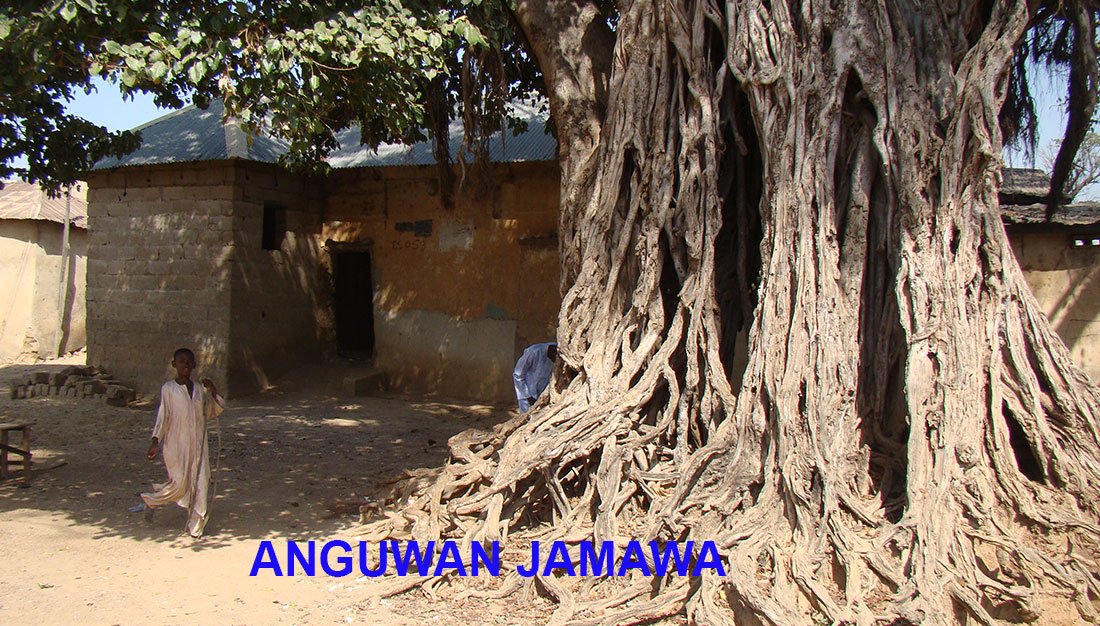
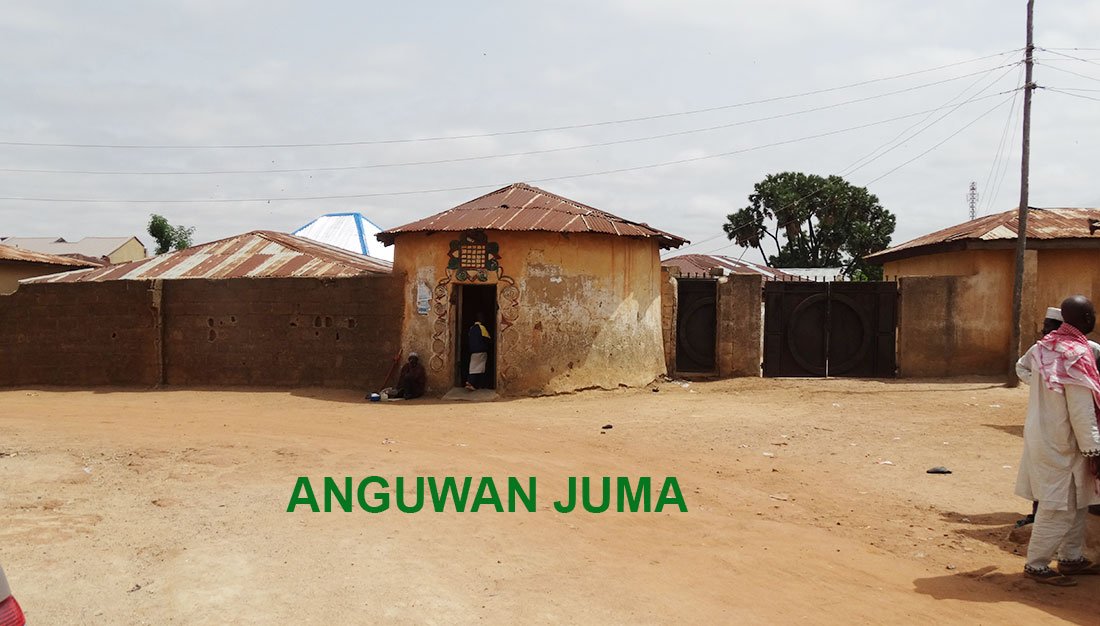
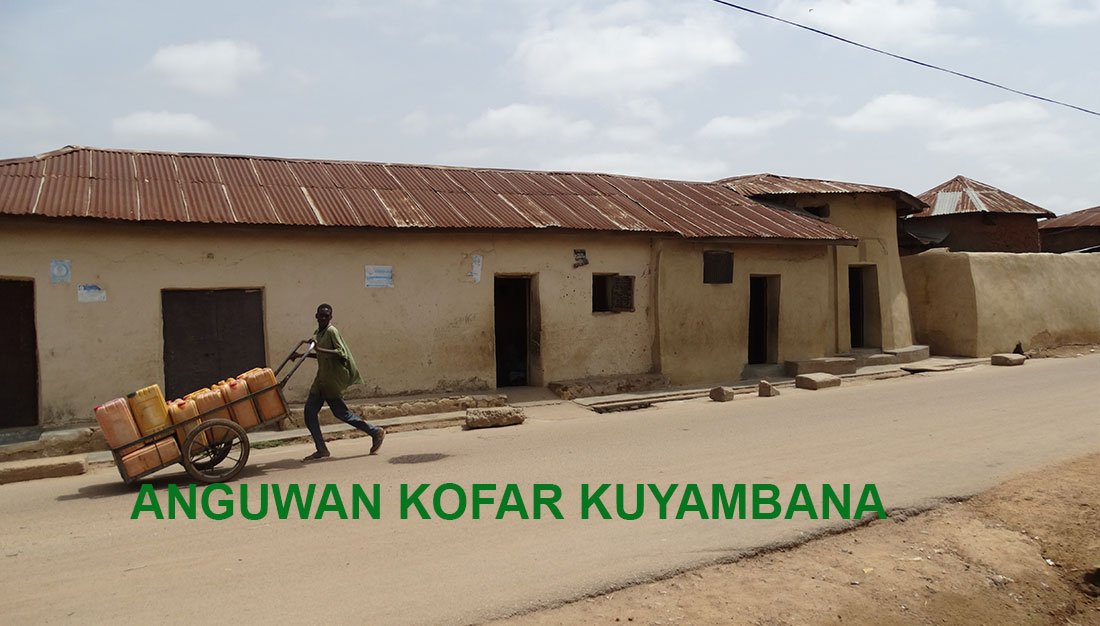
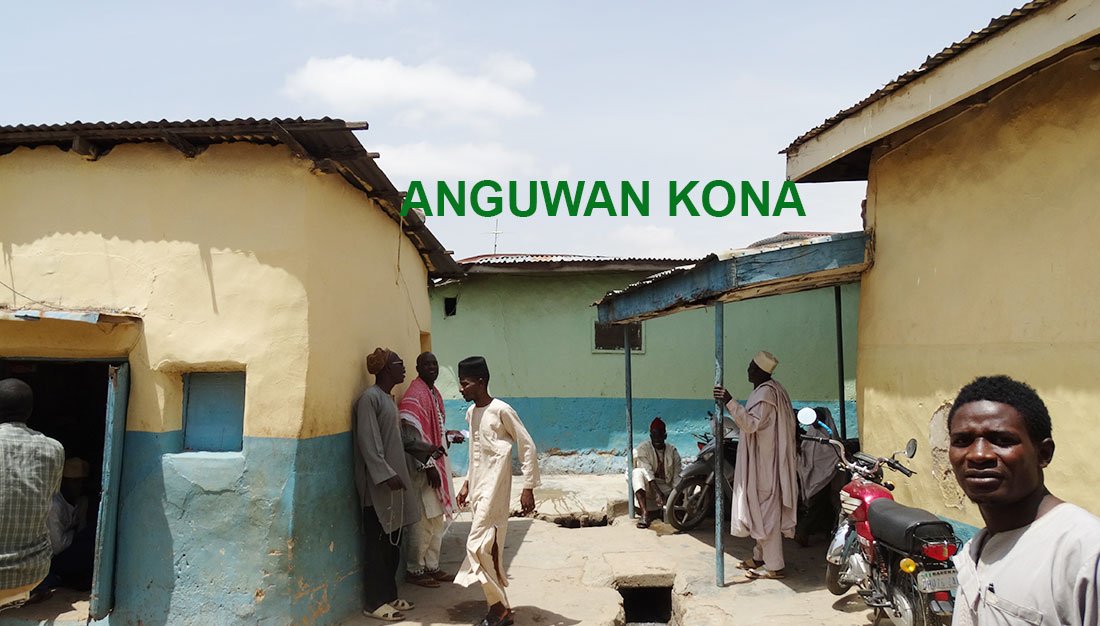
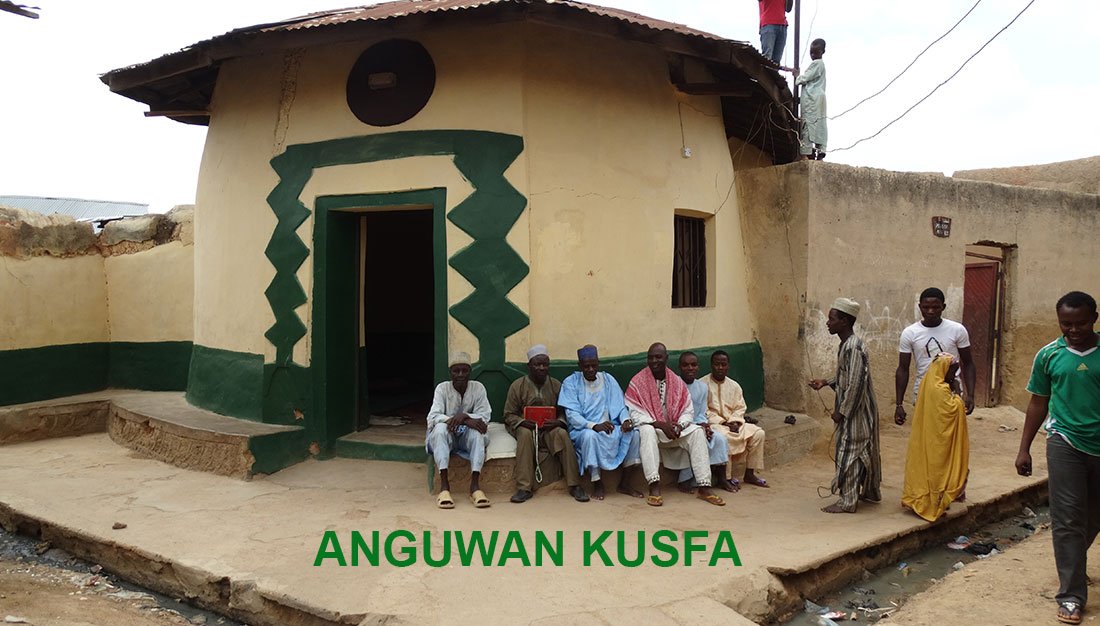
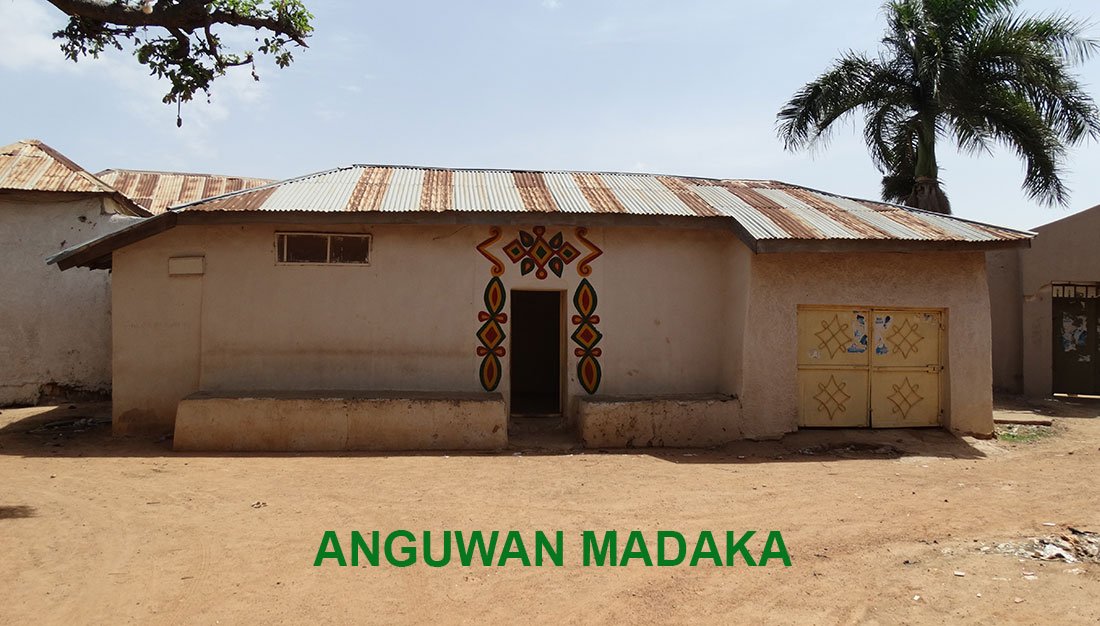
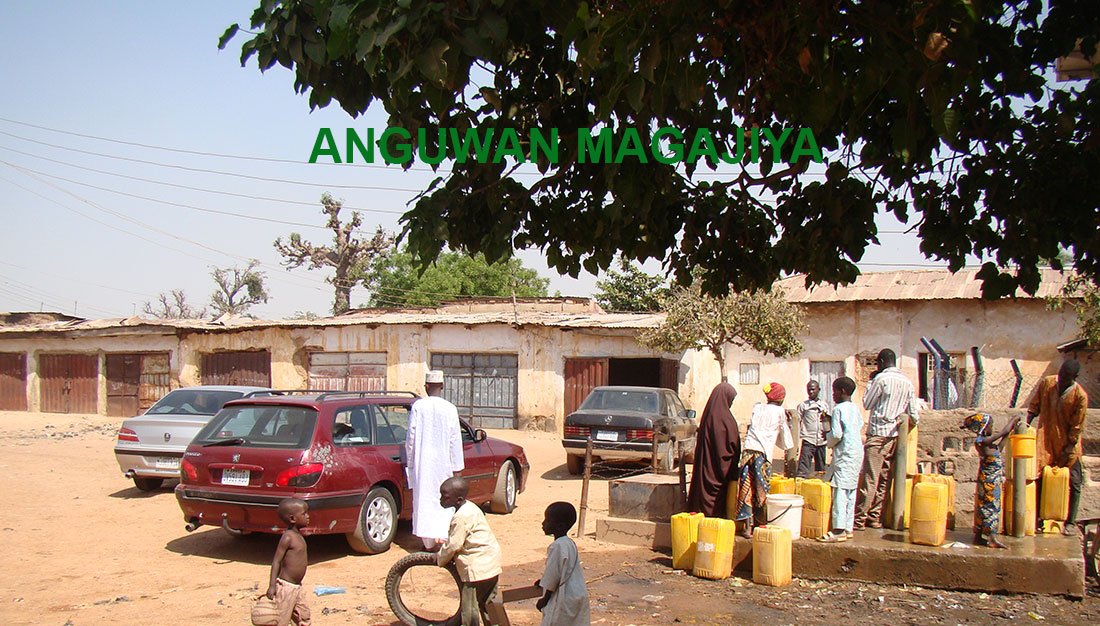
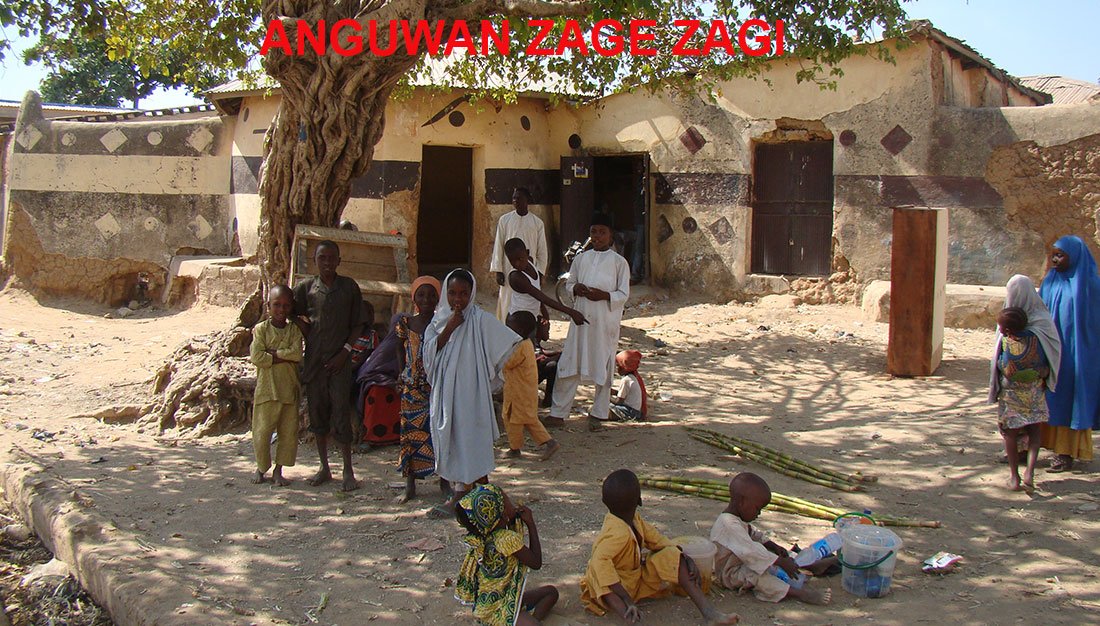
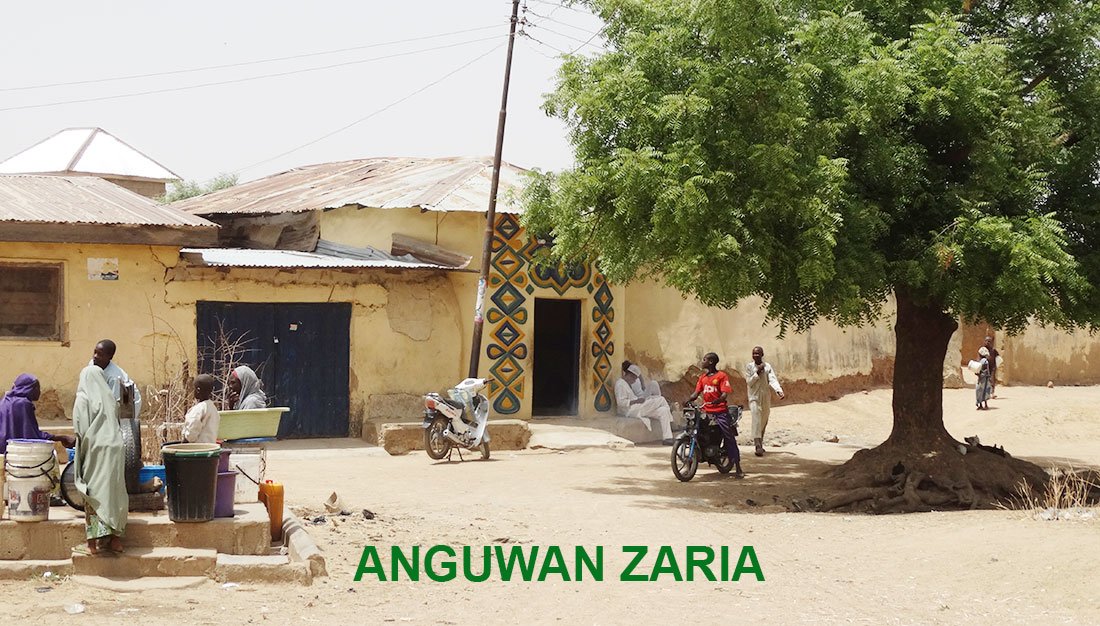
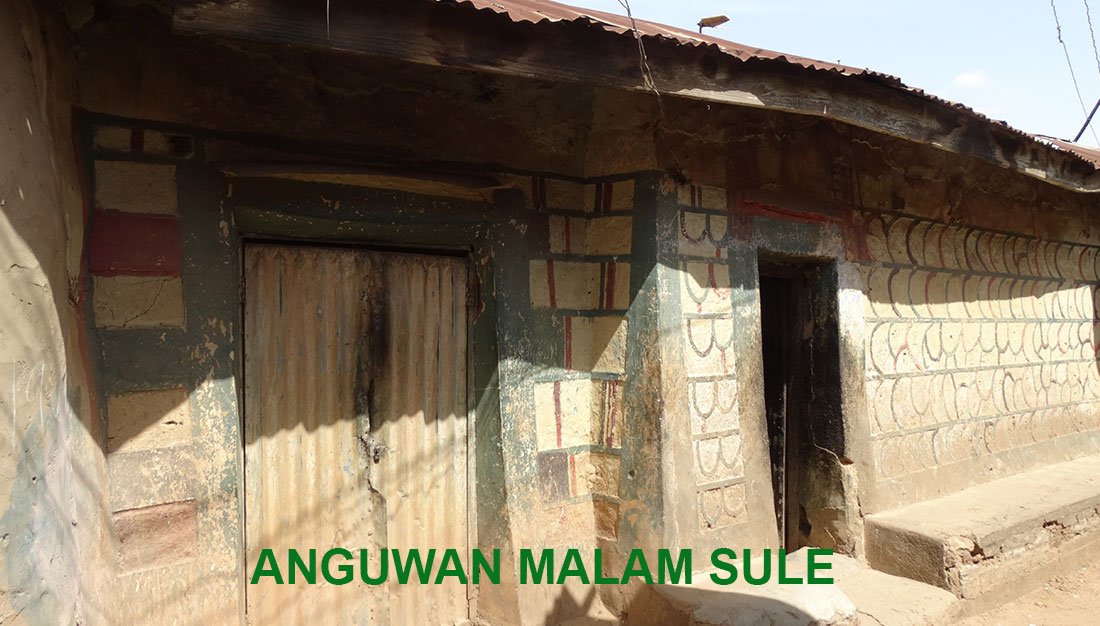
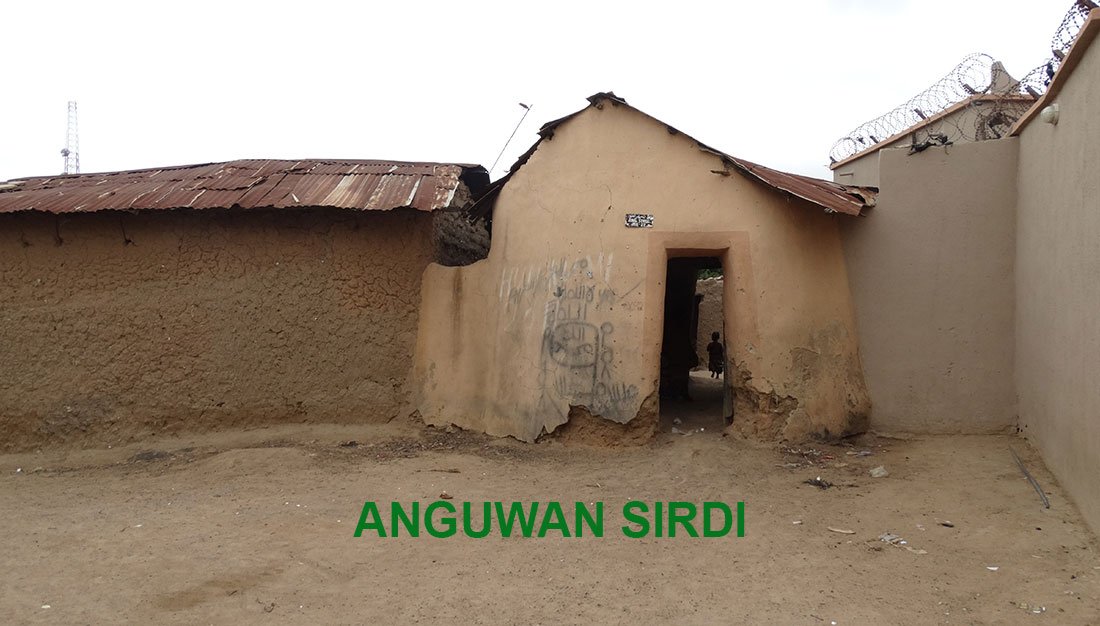
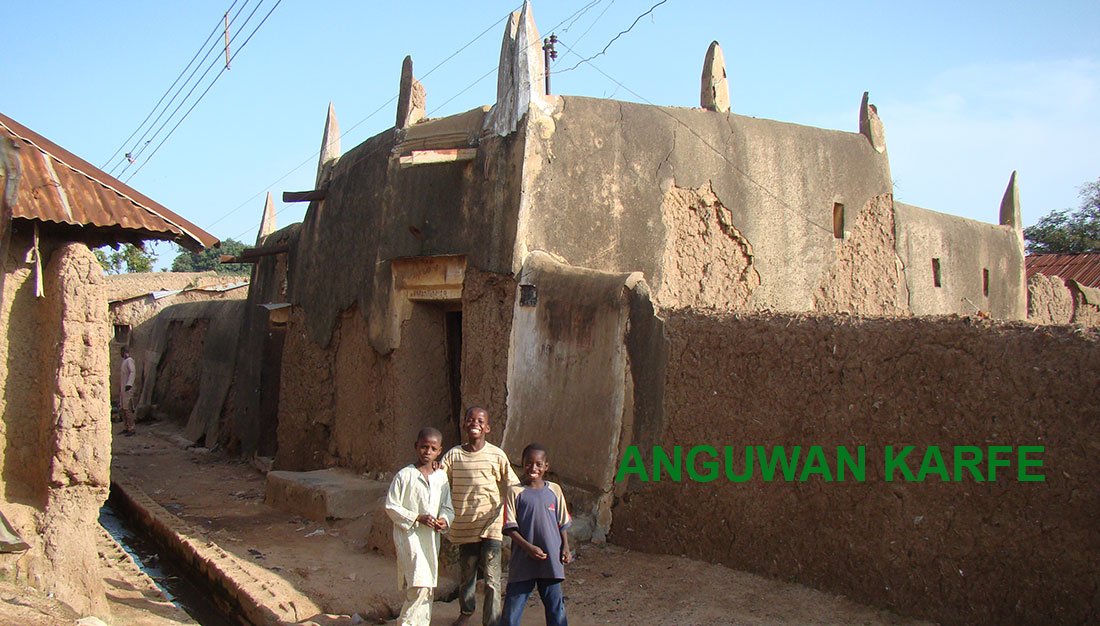
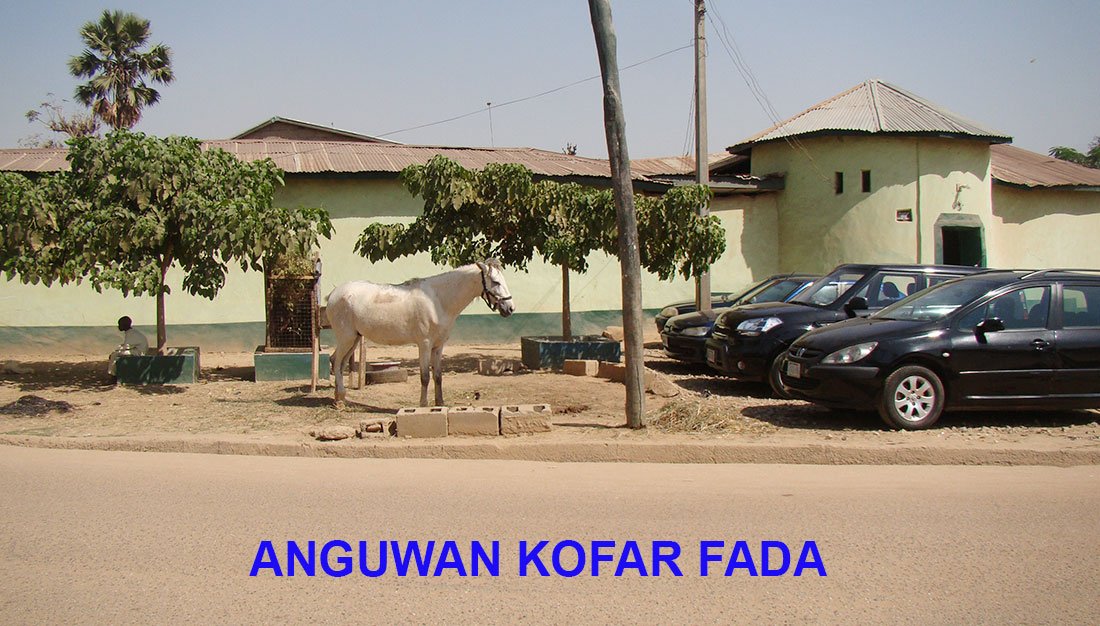
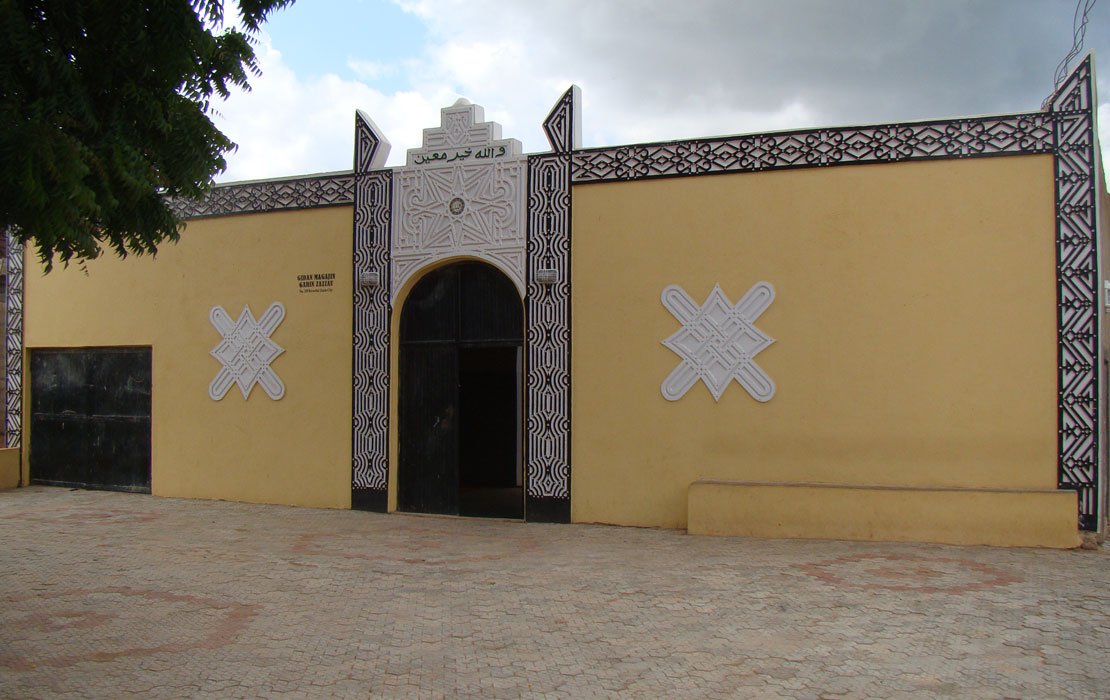
The walled city of Zaria was established around some structural spatial pattern known as the Anguwanni (wards). Since the Anguwanni were for administrative convenience, they were under the control of the Mai anguwa. The Anguwanni were products of evolution involving the gradual transformations of small clusters of compounds into larger ones as discussed earlier on. In other words the Anguwanni were part of the gradual development of Birnin Zaria, which was achieved over several years since its formation. It should be noted that the conditions necessary for the formation of the Anguwanni varies from one Anguwa to another so that some of the Anguwanni were formed earlier than others. But due to the state of historical and Archaeological research on the Anguwanni, it is difficult to establish the sequence of their formation. It seems however, that by the end of the 19th century the number of the Anguwanni grew up to 41. For a clear comprehension of the settlement pattern of the Birni prior to the outbreak of the 1808 Jihad and its spatial growth, this section traces the origin and development of the major wards that constituted the Birni.
Anguwan Alkali Anguwan Bishar Anguwan Dan Jinjiri Anguwan Fatika Anguwan Iya Anguwan Jamawa Anguwan Juma Anguwan Karfe Anguwan Kaura Anguwan K. Doka Anguwan K. Fada Anguwan K. Kuyambana Anguwan Kusfa Anguwan Kwarbai Anguwan L. Kona Anguwan Magajiya Anguwan Majema Anguwan M. Sule Anguwan Nufawa Anguwan Salmanduna Anguwan Sirdi Anguwan Z. Zage Anguwan Zaria